
Razorback sucker
Endangered river fish with a distinctive back ridge
The razorback sucker is a large freshwater fish native to the Colorado River Basin. It features a sharp keel behind its head and can live over forty years. Habitat loss and dams have reduced its range, leading to critical endangerment status.
- Distinctive bony keel runs from head to dorsal fin
- Can live for more than 40 years in the wild
- Uses ultraviolet eye flashes to deter rival males
- Only self-sustaining population remains in Lake Mead
- Federally protected in the United States since 1991
What it is
This suckerfish grows up to 91 cm long and weighs as much as 6 kg. Its most striking feature is a sharp bony ridge running from the head to the dorsal fin, which gives it the name humpback sucker. The body colour shifts from olive or brown-black on top to pale yellow underneath. Adults are easily identified by this predorsal keel, distinguishing them from other similar species.
Where it lives
Historically, this fish lived throughout the Colorado River Basin, including parts of Mexico. Today, its range has shrunk significantly. It remains in the river above the Grand Canyon and in reservoirs such as Lake Mead, Lake Mohave, Lake Havasu, and Lake Powell. It is no longer found in Wyoming. The decline stems largely from habitat changes caused by dam construction.
How it lives
These fish feed on algae, plankton, insect larvae, and organic debris. They prefer sandy or muddy bottoms in deep water where ultraviolet light does not reach. Their eyes detect UV light, which helps males signal rivals during breeding. Males flash reflected sunlight from their eyes to warn off intruders without alerting predators. They can live for more than four decades.
Breeding and life cycle
Spawning happens in late winter or spring when groups move to shallow areas. Females release sticky eggs into gravel spaces while attended by several males. Water temperature must stay above 10 °C for eggs to survive. Larvae need calm wetlands to grow, but non-native predators often eat them before they reach adulthood.
Fish and people
Commercial fishing and dam building severely reduced populations. The species gained federal protection in 1991. Conservation programmes now stock hatchery-raised fish in various locations. Special water releases from dams help larvae access nursery habitats. Recent sightings in the Grand Canyon suggest some wild recovery, though most populations rely on human assistance.
Status and threats
The International Union for Conservation of Nature lists this species as Critically Endangered. Non-native fish like striped bass and walleye prey on young suckers. Only the Lake Mead population sustains itself naturally. In 2021, authorities proposed changing its legal status from endangered to threatened due to conservation progress.


Questions people ask about Razorback sucker
Why is it called a razorback sucker?
The name comes from the sharp, blade-like ridge on its back between the head and the dorsal fin. This unique physical feature also leads to the alternative name humpback sucker.
Where can you find razorback suckers today?
They now live mainly in the Colorado River above the Grand Canyon and in four reservoirs: Lake Mead, Lake Mohave, Lake Havasu, and Lake Powell. Their historic range was much larger.
What do razorback suckers eat?
They consume algae, plankton, insect larvae, and detritus. They feed near the bottom of rivers and lakes, preferring areas with sand, mud, or gravel substrates.
Why are they endangered?
Dam construction blocked migration routes and altered water temperatures. Habitat loss and commercial fishing reduced numbers. Non-native predators now eat young fish before they can mature.
Good reading and sources
- Razorback sucker on WikipediaEncyclopedia
- More photos on Wikimedia CommonsPhotos
- Wikidata recordOpen data
The facts on this page come from the Wikipedia article "Razorback sucker", written by its contributors and used under the CC BY-SA 4.0 licence, and from its Wikidata record (CC0). EveryFish rewrote the text in its own words, with AI assistance, and compares every page with the article to make sure no passage is copied. It may be reused under the same CC BY-SA 4.0 licence with a link back.
It may contain mistakes, and figures change over time. Nothing here is investment or buying advice. If something is wrong, tell us. Last refreshed 2026-11-15.
Like Razorback sucker
All other fish 🇺🇸 United StatesDevils Hole pupfish
A tiny fish found only in one cavern in Nevada.Other · Rivers and lakes · 1930
 🇺🇸 United StatesDelta smelt
A tiny, endangered fish native to California's Sacramento-San Joaquin River Delta.Other · Rivers and lakes · 1963
 🇺🇸 United States and 1 moreMexican tetra
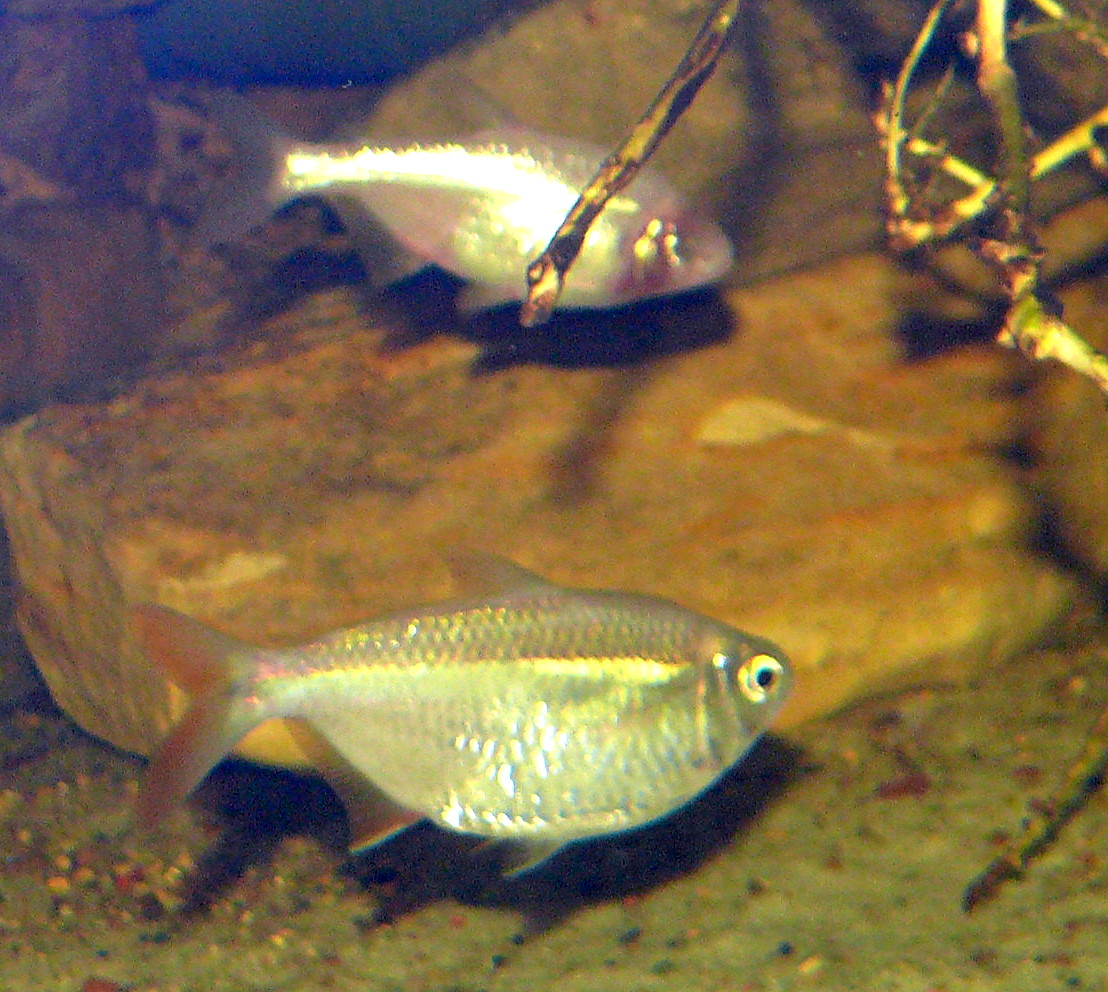
A freshwater characin with surface and blind cave forms, studied for evolutionary biology.Other · Rivers and lakes
🇺🇸 United StatesNorthern cavefish
A blind fish living in caves of Kentucky and IndianaOther · Rivers and lakes
More from Catostomidae
All of them 🇨🇦 Canada and 1 moreBigmouth buffalo
A long-lived North American freshwater fish known for its terminal mouth and exceptional lifespan.Catfish · Rivers and lakes
 🇺🇸 United StatesWhite sucker
A common North American freshwater cypriniform fish with fleshy lips used for bottom feeding.Other · Rivers and lakes · 1803