
Stone loach
A small European freshwater fish that hides under gravel and hunts at night.
The stone loach is a slender ray-finned fish native to clear rivers across Europe. It lives among stones and feeds on invertebrates using sensory barbels around its mouth.
- Three pairs of barbels detect prey in dark riverbeds.
- Eggs drift in open water before sticking to gravel.
- Sensitive to heavy metals and low oxygen levels.
- Typically grows to twelve centimetres in length.
- Active primarily during nighttime hours.
What it is
This species is a small, slender fish found in European freshwaters. Adults reach about twelve centimetres long, though they can grow to twenty-one centimetres. The body is rounder than related spined loaches and lacks protective spines near the eye. Colouration varies from yellowish-brown to green, marked with darker vertical bands and blotches. A dark line often runs from the snout to the eye. The fins are rounded and brownish. Three pairs of short whiskers, called barbels, surround the lower jaw. These sensory organs help the fish feel food in murky or dark conditions.
Where it lives
Stone loaches inhabit clear rivers and streams throughout most of Europe. They prefer areas with sandy or gravelly bottoms and well-oxygenated water. Populations exist in upland zones, chalk streams, lakes, and reservoirs. The species occurs in nations such as France, Germany, Italy, Spain, and the United Kingdom. It has disappeared from Greece. While mostly freshwater, individuals occasionally enter estuaries but avoid brackish water. Their presence signals clean river environments, as they cannot survive heavy metal contamination or low oxygen levels.
How it lives
These fish spend their days hidden under rocks or buried in sediment. They become active at night to search for food. Juveniles prefer slower currents and sand, moving to faster gravel beds as adults. Diet consists of benthic invertebrates, including gammarids and chironomid larvae. The barbels detect prey by touch rather than sight. Stone loaches tolerate moderate organic pollution but suffer from chemical contaminants. They are short-lived, usually surviving only three to four years. Predators include larger fish and birds that hunt them along the riverbed.
Breeding and life cycle
Reproduction occurs between April and August in Great Britain. Females release eggs into open water near the surface. These eggs drift downstream until they stick to substrates or get covered by sand and detritus. Spawning frequency depends on water productivity; lean streams see annual breeding, while richer waters allow multiple events per season. A single female may produce up to ten thousand eggs. Larvae start life on sandy bottoms before migrating to gravel habitats as they mature.
Fish and people
Stone loaches hold little value for commercial fishing or aquaculture. They are not commonly kept in aquariums due to specific habitat needs. However, scientists study them as bioindicators because their survival reflects high water quality. Local communities rarely target them for food. Their role in the ecosystem involves controlling insect populations along riverbeds. Conservation efforts focus on maintaining clean, flowing waters rather than direct management of the fish itself.
Status and threats
The International Union for Conservation of Nature lists this species as least concern. Populations remain stable across much of Europe. Threats include agricultural runoff, industrial chemicals, and habitat destruction from canalization. Heavy metal pollution poses a severe risk to local groups. Dams and weirs can disrupt migration and alter flow regimes. Protection relies on broader water quality improvements. Monitoring programs track their numbers to assess river health. No specific legal protections target this species alone.
Questions people ask about Stone loach
What does the stone loach eat?
Adults feed on benthic invertebrates such as gammarids and insect larvae. They use their facial barbels to locate prey while rooting through sand and gravel at night.
Where do stone loaches live?
They inhabit clear rivers and streams with gravel or sandy bottoms across Europe. They require well-oxygenated water and avoid brackish environments.
How big do stone loaches get?
They typically reach twelve centimetres in length. Maximum recorded sizes extend to twenty-one centimetres, though this is uncommon.
Are stone loaches endangered?
No, they are classified as least concern. However, they are sensitive to pollution, so their presence indicates healthy water quality in local rivers.
Good reading and sources
The facts on this page come from the Wikipedia article "Stone loach", written by its contributors and used under the CC BY-SA 4.0 licence, and from its Wikidata record (CC0). EveryFish rewrote the text in its own words, with AI assistance, and compares every page with the article to make sure no passage is copied. It may be reused under the same CC BY-SA 4.0 licence with a link back.
It may contain mistakes, and figures change over time. Nothing here is investment or buying advice. If something is wrong, tell us. Last refreshed 2026-11-15.
Like Stone loach
All other fish 🇰🇭 Cambodia and 3 moreMoonlight gourami
A small, silvery labyrinth fish native to Southeast Asian rivers and swamps.Other · Rivers and lakes
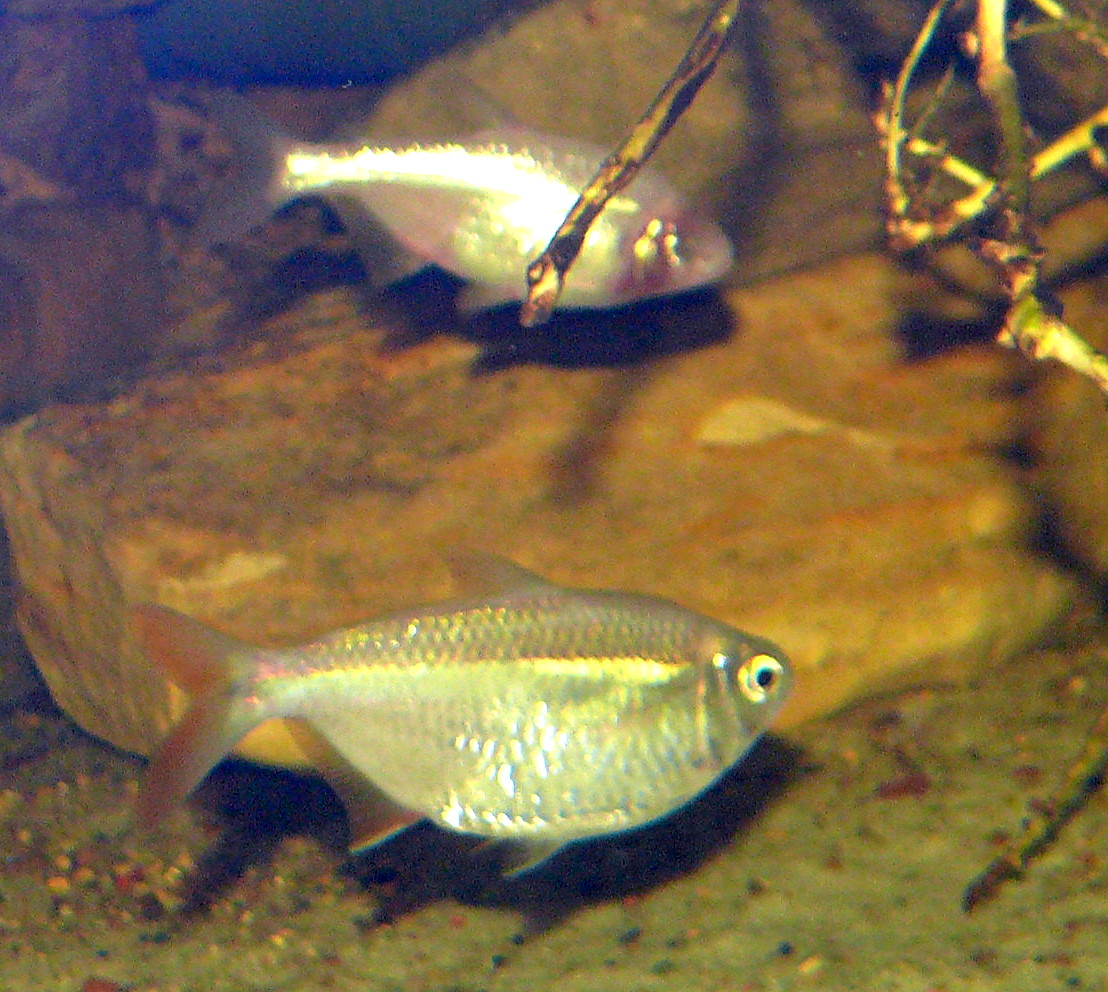 🇺🇸 United States and 1 moreMexican tetra
A freshwater characin with surface and blind cave forms, studied for evolutionary biology.Other · Rivers and lakes
 🇧🇷 BrazilBanded leporinus
A striped freshwater fish from the Amazon kept in home tanks and occasionally caught by anglers.Other · Rivers and lakes
 🇺🇬 Uganda and 2 moreSilver cyprinid
A small pelagic fish from Lake Victoria that supports regional food security.Other · Rivers and lakes