
Chimaeras
Cartilaginous deep-sea fish with cartilage skeletons and unique tooth plates.
Chimaeras are ancient cartilaginous fish known as ghost sharks or rat fish. They live in deep oceans worldwide, except polar regions, and possess soft bodies with distinctive sensory snouts and crushing teeth.
- Skeletons composed entirely of cartilage without bone.
- Snouts contain electroreception sensors to find prey.
- Venomous spines on dorsal fins provide defence.
- Teeth are permanent crushing plates, not sharp points.
- Most species live below 2,000 metres depth.
What it is
These cartilaginous fish feature bulky heads, long tapered tails, and soft bodies. Their skeletons consist entirely of cartilage rather than bone. Adults can reach lengths of up to 150 centimetres. Many possess elongated snouts equipped with electroreception organs to locate prey. They display two dorsal fins, with some species bearing a venomous spine on the leading edge for defence. Their teeth form permanent grinding plates instead of sharp, replaceable points.
Where it lives
Species inhabit temperate ocean floors across all global oceans, excluding the Arctic and Antarctic waters. Most reside at significant depths, often exceeding 2,000 metres. A few exceptions, such as rabbit fish and spotted rat fish, occasionally appear in shallower coastal areas. These near-shore populations are among the few kept in public aquariums due to their accessibility compared to deeper relatives.
How it lives
Modern chimaeras act as demersal durophages, feeding primarily on crustaceans, molluscs, and brittle stars. They differ from ancestral forms that once served as suction feeders in the water column. Large pectoral fins allow them to glide through water with minimal effort, creating a flying appearance. Predators include larger marine animals, while parasites like Chimaericola leptogaster affect their gills. Bycatch remains a significant threat to many populations.
Breeding and life cycle
Males utilize internal fertilization via claspers, similar to sharks. Unique retractable appendages called tenacula assist in mating by anchoring the male to the female. Females lay spindle-shaped, leathery egg cases. Climate change poses risks to shallow-water species by increasing egg mortality through warmer waters and stronger storms that disrupt stable incubation environments required for development.
Fish and people
Some near-shore species are targeted for meat, particularly callorhinchids and pale ghost sharks. Quotas have helped sustain these fisheries after past overfishing events, such as those affecting the Australian ghostshark. Others are caught for liver oil or kept in aquaria. Bycatch rates exceed ten percent for several species in certain ranges. Conservation efforts struggle with data deficiencies regarding movement patterns and precise catch reporting.
Status and threats
No species face immediate extinction risk, yet four are classified as Vulnerable and others as Near Threatened. Many remain Data Deficient due to rarity and insufficient tracking. Overfishing, habitat destruction from mining and trawling, and climate impacts threaten populations. Bycatch often goes unrecorded at the species level, masking population declines. Protection measures have aided some stocks, but limited research hinders comprehensive management strategies.


Questions people ask about Chimaeras
What makes chimaera teeth unique?
They possess six large, permanent tooth plates that grind food continuously. Unlike other vertebrates, these plates use hypermineralized tissue called pleromin, which contains whitlockite crystals formed by mesenchyme-derived cells rather than standard enamel.
Do chimaeras live in shallow water?
Most species inhabit deep oceans below 2,000 metres. Exceptions include rabbit fish and spotted rat fish, which occasionally appear in shallower coastal zones. These near-shore groups are more commonly found in public aquariums than their deep-water counterparts.
How do male chimaeras mate?
Males use retractable sexual appendages called tenacula to anchor themselves to females during copulation. They also employ claspers for internal fertilization. The frontal tenaculum extends from the forehead to grasp the female's pectoral fins securely.
Are chimaeras dangerous to humans?
They are generally harmless but possess venomous spines on their dorsal fins for defence against predators. Some species are harvested for food or aquarium trade. Bycatch in commercial fishing operations threatens several populations despite their secluded habits.
Good reading and sources
The facts on this page come from the Wikipedia article "Chimaera", written by its contributors and used under the CC BY-SA 4.0 licence, and from its Wikidata record (CC0). EveryFish rewrote the text in its own words, with AI assistance, and compares every page with the article to make sure no passage is copied. It may be reused under the same CC BY-SA 4.0 licence with a link back.
It may contain mistakes, and figures change over time. Nothing here is investment or buying advice. If something is wrong, tell us. Last refreshed 2026-11-15.
Like Chimaeras
All sharks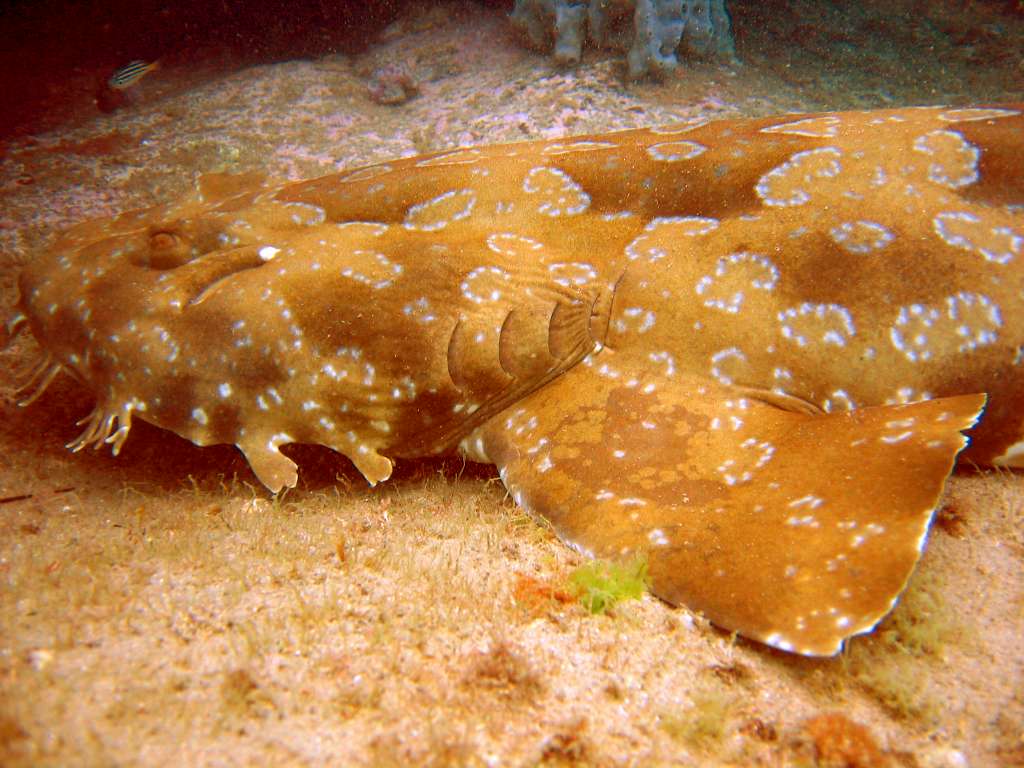 🇦🇺 Australia and 2 moreWobbegong
Camouflaged bottom-dwelling sharks found in the western Pacific and eastern Indian Ocean.Shark · Coasts and shelves
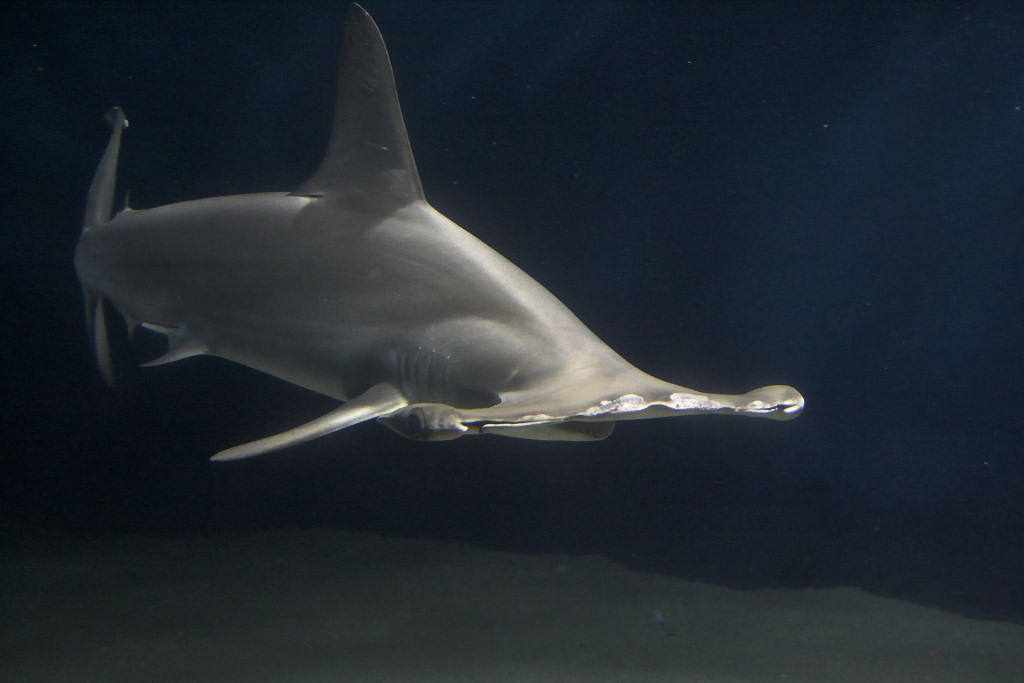 WorldHammerhead shark
Sharks with T-shaped heads for better vision and sensing prey.Shark · Coasts and shelves
 WorldStoplight loosejaw
Deep-sea dragonfish that hunts with invisible red light.Shark · Deep sea · 1848
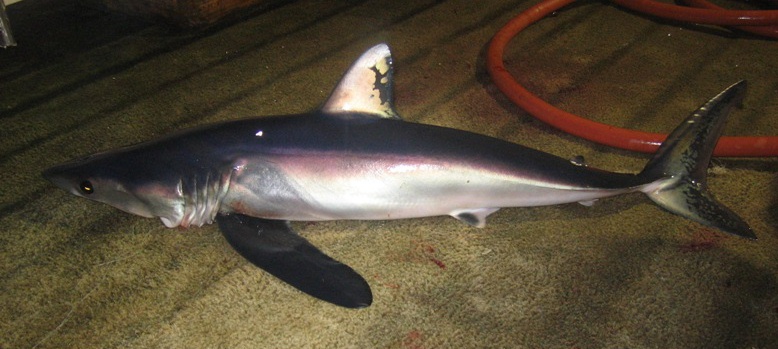 WorldMako shark
Fast predatory sharks of the genus Isurus, known for their speed and blue-grey colour.Shark · Open ocean
