Rivers and lakes
Fresh water: rivers, streams, lakes and ponds. 192 fish on EveryFish so far.
Rivers, lakes, streams and ponds hold less than one per cent of the Earth's water, yet about half of all known fish species live in them. Fresh water is broken into separate basins, and fish that cannot cross between them evolve apart, which is why each river system and lake has its own species. The Amazon, Congo, Mekong and Ganges basins and the great lakes of Africa are the richest.
Life in fresh water
A freshwater fish is saltier inside than the water around it, so it must pump salt in through its gills and pass a lot of dilute urine. Freshwater habitats range from torrential Himalayan streams, where loaches cling to rocks, to warm, still swamps where air-breathing snakeheads, catfish and gouramis thrive. Many river fish time their spawning to floods: the Indian major carps spawn in the monsoon floodwaters, and Mekong fish move into flooded forests.
The most threatened fish
Freshwater fish are declining faster than sea fish. A 2021 report by conservation groups found that about a third of freshwater fish species are threatened with extinction and that 80 had already been declared extinct. Dams block migrations, water is drawn off for farms and cities, pollution and sand mining degrade rivers, and introduced species such as tilapia and African catfish compete with native fish. In India, the rivers of the Western Ghats and the North-East hold many endemic fish at risk.
Famous rivers and lakes fish


Still to be written: Mekong giant catfish.
Further reading
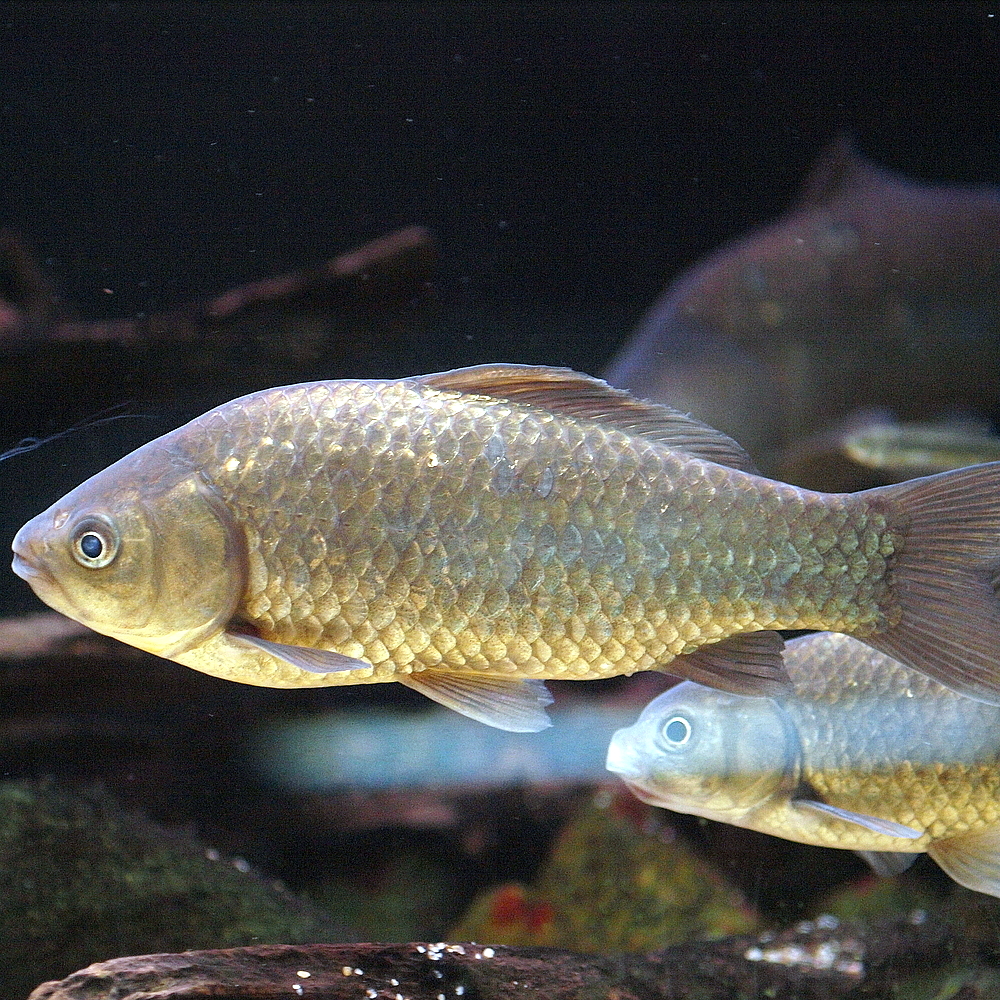
Photo credits on this page
The small pictures above come from Wikimedia Commons under free licences. Some are cropped to fit.
- Rohu: Wiki Farazi, CC0, source
- Nile perch: Pavel Zuber, CC BY-SA 3.0, source
- Arapaima: This illustration was made by Citron You must credit this : Citron / C, CC BY-SA 3.0, source
- Zebrafish: Roundish, CC0, source
- Golden mahseer: Khalid Mahmood, CC BY-SA 4.0, source
- Nigorobuna: Unknown author, CC BY-SA 2.5, source
- Red-bellied piranha: Gregory Moine, CC BY 2.0, source