Caves and springs
Cave fish, desert springs and other isolated waters. 4 fish on EveryFish so far.
Some fish live their whole lives in caves, underground rivers, aquifers, wells and isolated springs. More than 250 cave fish species are known. Many have lost their eyes and their colour over generations in the dark, and they find food and avoid obstacles with the lateral line, taste and smell. Desert springs, cut off for thousands of years, hold other fish found nowhere else, such as the pupfish of North America.
Blind fish of the dark
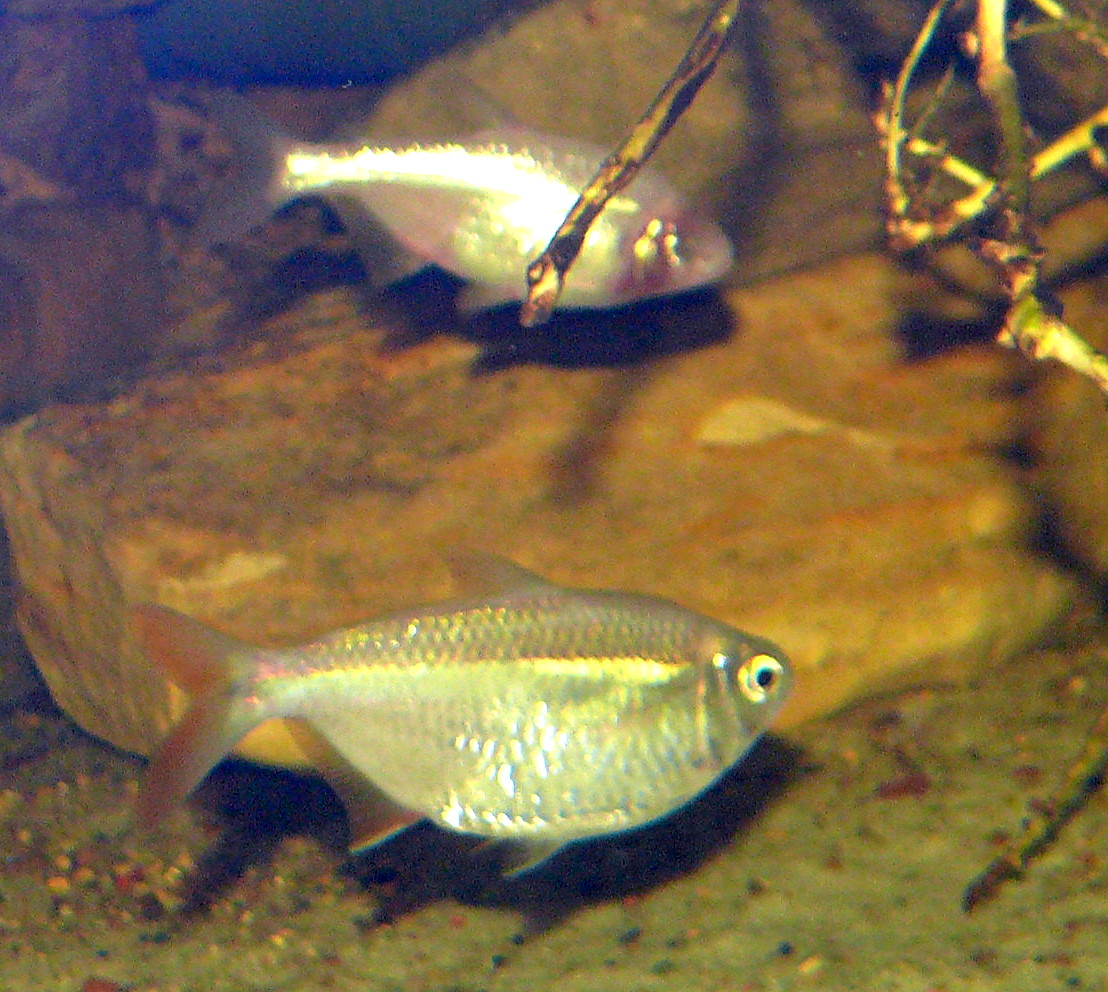
The Mexican tetra lives as a sighted fish in rivers and as blind, pink fish in caves, which makes it a favourite of scientists studying how eyes are lost. India has several cave and groundwater fish. Kerala's wells and aquifers hold tiny blind catfish such as Horaglanis, found when wells are dug or cleaned. In 2019 scientists found a large eyeless fish in a cave of Meghalaya's Jaintia Hills, later named Neolissochilus pnar and described as the largest cave fish known.
Isolated and at risk
Cave and spring fish often live in a single cave system or pool, so pumping groundwater, pollution or a single spill can wipe them out. The Devils Hole pupfish lives in one water-filled cavern in Nevada; its numbers fell to 35 in 2013 before recovering somewhat. Several other pupfish went extinct when their springs were pumped dry. In Meghalaya, limestone and coal mining threaten caves that are still being explored.
Famous caves and springs fish

Still to be written: Neolissochilus pnar, Horaglanis krishnai, Devils Hole pupfish, Ozark cavefish, Empetrichthys latos.
Further reading
 🇵🇦 Panama and 1 moreGlass knifefish
Translucent electric fish from South American riversOther · Rivers and lakes
 🇺🇸 United StatesSouthern cavefish
A blind cavefish from the eastern United States.Other · Rivers and lakes · 1859
Photo credits on this page
The small pictures above come from Wikimedia Commons under free licences. Some are cropped to fit.
- Desert pupfish: jkirkhart35, CC BY 2.0, source
- Mexican tetra: User:Haplochromis, CC BY-SA 3.0, source
- Glass knifefish: User:Haplochromis, CC BY-SA 3.0, source
- Southern cavefish: Niemiller ML, Zigler KS, Hart PB, Kuhajda BR, Armbruster JW, Ayala BN,, CC BY 4.0, source