
Plaice
A group of flatfish species, including the commercially vital European plaice, found in northern seas.
Plaice refers to several flatfish species within the Pleuronectidae family, most notably the European and American varieties. These fish inhabit sandy seabeds across the North Atlantic and Pacific, serving as key commercial catches despite facing significant conservation challenges due to overfishing.
- European plaice can live up to 50 years and reach 100 cm.
- American plaice are considered overfished in Canada and the Atlantic.
- They bury themselves in sand during the day to avoid predators.
- Battered plaice is a popular dish in Danish and North German cuisine.
- Most commercial stocks are outside safe biological limits.
What it is
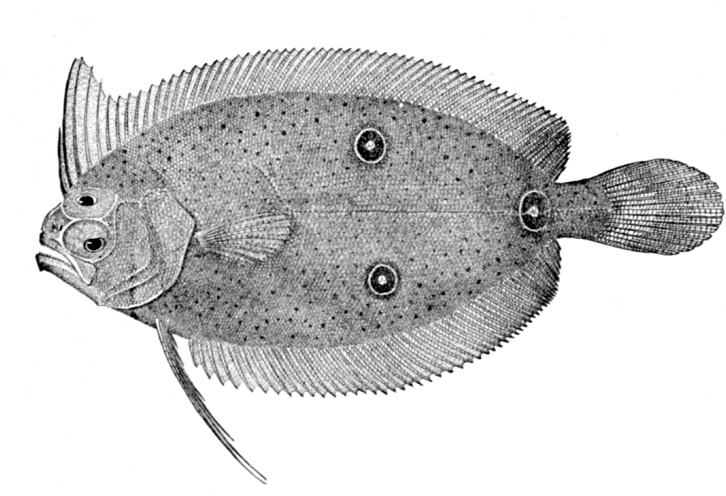
Plaice describes a collection of flatfish belonging to the Pleuronectidae family. The most prominent member is the European plaice, which possesses smooth brown skin marked by red spots and a bony ridge behind its eyes. These right-eyed flounders typically reach lengths of one metre and can live for five decades. Other members include the American, Alaskan, and scale-eye varieties, which vary in size and skin texture. They share a flattened body shape adapted for life on the sea floor.
Where it lives
These fish inhabit cold waters across the Northern Hemisphere. The European variety ranges from the Barents Sea down to the Mediterranean, often burying itself in sand during daylight hours. American plaice dwell along the Atlantic coast from Labrador to Rhode Island, preferring deeper, colder waters between ninety and two hundred fifty metres. Alaskan plaice occupy the Bering Sea, while the scale-eye species lives in the northern Pacific near Japan and Korea, sometimes descending to nearly one kilometre deep.
How it lives
Adults feed primarily on invertebrates such as crustaceans, bivalves, and worms. European plaice hunt polychaetes and move into shallower waters at night before hiding in sediment. American plaice consume small fishes and invertebrates in chilly temperatures near freezing. Predators include seals, which may contract lungworm parasites from eating infected American plaice. Many species form schools or groups, though they spend much time resting on the seabed.
Breeding and life cycle
Spawning habits differ among species but generally occur in spring months. American plaice release eggs in the Gulf of Maine, with peak activity recorded in April and May. European plaice have shown declining fecundity in recent decades. Young fish grow rapidly initially but slow down as they age. Overfishing has reduced average lifespans significantly, with many North Sea individuals now rarely surviving past six years compared to historical records of forty.
Fish and people
Plaice holds major economic value, particularly the European species in Europe. It is caught using beam trawlers, otter trawlers, and seiners. In Danish and North German cuisine, it is frequently filleted, battered, and fried, often served with remoulade sauce or as part of fish and chips. Smoked plaice remains a traditional delicacy in Estonia. The fish also appears in aquariums and recreational fishing, though sustainable harvesting remains a concern due to depleted stocks.
Status and threats
Conservation status varies by region but is generally concerning. ICES lists North Sea plaice outside safe biological limits, noting that landings are at historical lows. Only one of eight recognized stocks is harvested sustainably according to WWF data. American plaice in Canada are considered endangered due to overfishing, although local authorities dispute this assessment. The Northwest Atlantic Fisheries Organization classifies the American stock as overfished with no recovery signs.


Questions people ask about Plaice
What does the word plaice mean?
The name derives from the Anglo-French word plais, which comes from the Latin platessa meaning flatfish. This traces back to the Ancient Greek word platys, translating to broad or wide, describing their flattened body shape.
Is plaice good to eat?
Yes, it is widely consumed in Europe. The flesh is white, tender, and subtle-flavoured. Common preparations include battering and frying, baking, or smoking. It is often served with remoulade sauce and lemon slices in Denmark and Germany.
How big do plaice get?
Sizes vary by species. The European plaice can reach 100 cm and weigh significantly, living up to 50 years. American plaice max out around 82.6 cm and live 30 years. Alaskan plaice typically reach 60 cm, while scale-eye plaice grow to 46 cm.
Are plaice populations healthy?
Many populations face serious threats. North Sea stocks are listed outside safe biological limits with low numbers. American plaice are classified as overfished in the Northwest Atlantic. Sustainable harvesting is limited, with only one stock currently considered well-managed.
Where do plaice live?
They inhabit sandy seabeds in the North Atlantic and Pacific. European plaice range from the Barents Sea to the Mediterranean. American plaice live off North America. Alaskan plaice are in the Bering Sea, and scale-eye plaice reside in the northern Pacific near Asia.
Good reading and sources
The facts on this page come from the Wikipedia article "Plaice", written by its contributors and used under the CC BY-SA 4.0 licence, and from its Wikidata record (CC0). EveryFish rewrote the text in its own words, with AI assistance, and compares every page with the article to make sure no passage is copied. It may be reused under the same CC BY-SA 4.0 licence with a link back.
It may contain mistakes, and figures change over time. Nothing here is investment or buying advice. If something is wrong, tell us. Last refreshed 2026-11-15.
Like Plaice
All flatfish 🇺🇸 United States and 1 morePacific halibut
A large flatfish found in the North Pacific Ocean and Bering Sea.Flatfish · Coasts and shelves
 🇺🇸 United States and 3 moreHalibut
Large flatfish species prized for food and sport in northern oceans.Flatfish · Coasts and shelves
 🇺🇸 United States and 1 moreYellowtail flounder
A flatfish species found in the western North Atlantic, known for its yellow fins and vulnerable conservation status.Flatfish · Coasts and shelves · 1835
 🇨🇦 Canada and 4 moreAtlantic halibut
The world's largest flatfish, found in the North Atlantic.Flatfish · Coasts and shelves
More from Pleuronectidae
All of them EuropeEuropean flounder
A right-eyed flatfish found in European coastal waters and rivers.Flatfish · Rivers and lakes
🇨🇦 Canada and 1 moreWinter flounder
Right-eyed flatfish of the western North Atlantic coast.Flatfish · Coasts and shelves
 EuropeLemon sole
A right-eyed flatfish from Northern European seas.Flatfish · Coasts and shelves
EuropeEuropean plaice
A common flatfish with orange spots found on European sandy seabeds.Flatfish · Coasts and shelves