
Paradise fish
Aggressive freshwater gourami from East Asia
The paradise fish is a small, hardy freshwater species native to East Asia. It was the first tropical fish bred in captivity in Europe and remains popular in aquariums despite its combative nature.
- First tropical freshwater fish bred in captivity in Europe
- Changes colour and displays dark blue lines when aggressive
- Eats mosquito larvae, helping control disease vectors
- Males build bubble nests to protect eggs and fry
- Native populations in Taiwan are threatened by pollution
What it is
The paradise fish is a ray-finned species belonging to the family Osphronemidae. It has long fins and a forked tail. Adults typically reach a standard length of 5.5 cm, though some grow to 6.7 cm. This fish is notable for its ability to change colour in response to stimuli, often displaying dark blue lateral lines during aggression. It is one of the more combative members of its family, showing greater hostility than the three-spot gourami but less than the combtail.
Where it lives
This species inhabits fresh waters across East Asia, ranging from eastern China down to northern Vietnam. In the wild, it prefers shallow environments rich in dense vegetation, such as marshes and rice paddies. The fish is highly tolerant of varying water conditions, surviving in both cool and warm temperatures. This hardiness allows it to thrive in outdoor ponds or unheated aquaria. However, native populations in Taiwan have declined significantly due to river pollution.
How it lives
Paradise fish are predatory in the wild, feeding on insects, invertebrates, and fish fry. They accept high-protein foods in captivity, including mosquito larvae and brine shrimp. Behaviourally, they are aggressive, often harassing tankmates and fighting among themselves by locking jaws. During conflicts, they extend their fins and spread their operculum. Aggression tends to increase when the fish are kept far from their Asian homeland. They can also learn through observation, though active teaching methods may hinder this process.
Breeding and life cycle
Spawning follows the typical pattern of bettas and gouramis. The male constructs a bubble nest using saliva-coated air bubbles and plant matter. He attracts a female, and they embrace in open water to release eggs and sperm. The male collects the fertilised eggs and places them in the nest. After spawning, he may attack the female or other fish approaching the nest. Breeders usually remove the female and later the male to protect the fry, which are raised on infusoria or brine shrimp.
Fish and people
Imported to France in 1869 by Pierre Carbonnier, this was the second Chinese ornamental fish introduced to the West after the goldfish. It holds the distinction of being the first freshwater tropical fish successfully bred in captivity in Europe. While its popularity has waned due to the availability of less aggressive gouramis, it remains a subject for behavioural genetic studies and virus research. An albino form exists but is considered less hardy in cold water.
Status and threats
In Taiwan, pollution has reduced native populations to low levels, leading to their classification as a threatened species locally. This decline has had ecological consequences, including a rise in yellow fever mosquito numbers and increased dengue fever infection rates in humans due to the loss of a natural predator.


Questions people ask about Paradise fish
Are paradise fish aggressive?
Yes, they are quite combative. Males fight aggressively by locking jaws and should be kept apart. They may harass or kill small fish and attack slow-moving or long-finned species like goldfish. Aggression is higher towards their own kind.
What do paradise fish eat?
They are predators that eat insects, invertebrates, and fish fry. In captivity, they accept high-protein diets including mosquito larvae, black worms, brine shrimp, and small flies. Vegetable-based foods are not suitable for them.
Can paradise fish live in cold water?
Yes, they are tolerant of a wide range of temperatures. They can survive in cool and warm waters alike, making them suitable for outdoor ponds or unheated aquaria. However, the albino form is less hardy in low temperatures.
How do paradise fish breed?
The male builds a bubble nest of saliva-coated air bubbles. He embraces the female to release eggs, which he then places in the nest. The male guards the eggs and fry until they swim freely, often attacking the female afterwards.
Good reading and sources
- Paradise fish on WikipediaEncyclopedia
- More photos on Wikimedia CommonsPhotos
- Wikidata recordOpen data
The facts on this page come from the Wikipedia article "Paradise fish", written by its contributors and used under the CC BY-SA 4.0 licence, and from its Wikidata record (CC0). EveryFish rewrote the text in its own words, with AI assistance, and compares every page with the article to make sure no passage is copied. It may be reused under the same CC BY-SA 4.0 licence with a link back.
It may contain mistakes, and figures change over time. Nothing here is investment or buying advice. If something is wrong, tell us. Last refreshed 2026-11-15.
Like Paradise fish
All other fish 🇯🇵 JapanJapanese rice fish
Small freshwater fish native to Japan and a key model organism.Other · Rivers and lakes
 🇵🇦 Panama and 1 moreGlass knifefish
Translucent electric fish from South American riversOther · Rivers and lakes
 🇺🇸 United States and 1 moreMexican tetra
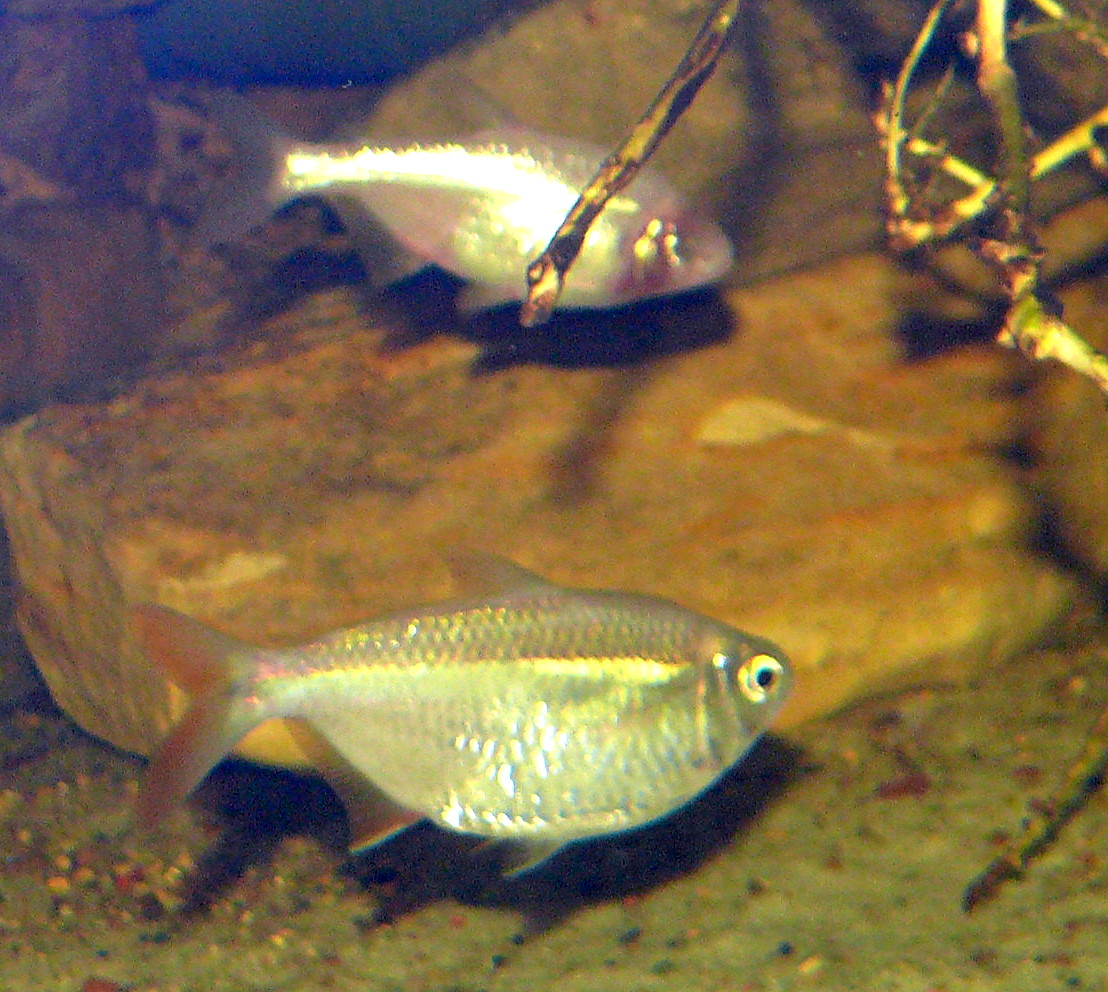
A freshwater characin with surface and blind cave forms, studied for evolutionary biology.Other · Rivers and lakes
 South AsiaGreen spotted puffer
Small brackish water pufferfish with a tiny genomeOther · Rivers and lakes