
Corydoras catfish
Small armoured freshwater catfish from South America
Corydoras is a large genus of small, armoured catfish native to South American freshwater systems. These peaceful bottom-dwellers are popular in aquariums worldwide for their hardy nature and social behaviour. They breathe air to survive low-oxygen waters and use unique mating rituals.
- Protected by bony armour and venomous spines
- Breathes air to survive low oxygen levels
- Uses unique T-position mating ritual
- Popular peaceful addition to community aquariums
- Can live up to 27 years in captivity
What it is
Corydoras are small freshwater fish belonging to the armoured catfish family. They range from 2.5 to 12 centimetres in length. Their bodies are protected by bony plates and sharp spines, which are often venomous. This armour defends them against predators. The name comes from Greek words for helmet and skin. They display diverse shapes and colours across more than 160 species. Most have restricted local ranges within their broader distribution.
Where it lives
These fish inhabit South America, spanning from Trinidad to northern Argentina. They live east of the Andes mountains down to the Atlantic coast. You find them in shallow, slow-moving streams and marshes. The water is often murky with dense plant growth on the banks. They prefer soft water with neutral to slightly acidic pH levels. They avoid tidal zones and cannot tolerate high salt concentrations. Their habitat includes sandy or gravelly bottoms where they forage.
How it lives
Corydoras are social fish that form large shoals, sometimes numbering in thousands. Unlike many catfish, they are active during the day and at twilight. They search for food using sensory barbels near their mouths. Their diet consists of insect larvae, worms, and plant debris. They also scavenge flesh from dead fish. A key survival trait is their ability to breathe air. They swim to the surface to gulp air when water oxygen is low. Some species freeze when threatened to avoid detection.
Breeding and life cycle
Reproduction involves a distinctive courtship ritual known as the T-position. The male presents his abdomen to the female. She attaches her mouth to his genital opening and ingests sperm. The sperm travels through her intestines and mixes with eggs. She holds the fertilised eggs in a pouch formed by her pelvic fins. She then swims away to deposit the egg pouch separately. This method allows her to choose a safe spot for the developing young.
Fish and people
Aquarists value Corydoras for their peaceful temperament and hardiness. They thrive in community tanks with other non-aggressive species. Keepers should maintain clean water to prevent barbel infections. High nitrate levels or sharp gravel can damage their sensitive feeding organs. They require sinking foods since they feed at the bottom. Millions are exported annually from regions like Amazonas for the pet trade. Some individuals have lived over twenty years in home aquariums.

Questions people ask about Corydoras catfish
Do Corydoras catfish need special water conditions?
They prefer soft, neutral to slightly acidic water with temperatures between 22 and 26 degrees Celsius. High nitrate levels can harm their barbels, so clean water is essential. They do not tolerate high salt or tidal environments well.
Why do Corydoras swim to the surface?
This is normal behaviour. They gulp air to breathe when dissolved oxygen in the water is low. If they do this excessively, it may indicate poor water quality or insufficient aeration in the tank.
What do Corydoras eat in an aquarium?
They are bottom feeders that require sinking pellets, live foods, or frozen supplements. They will not compete well for flake food at the surface. Ensure food reaches the substrate where they forage with their barbels.
Good reading and sources
The facts on this page come from the Wikipedia article "Corydoras", written by its contributors and used under the CC BY-SA 4.0 licence, and from its Wikidata record (CC0). EveryFish rewrote the text in its own words, with AI assistance, and compares every page with the article to make sure no passage is copied. It may be reused under the same CC BY-SA 4.0 licence with a link back.
It may contain mistakes, and figures change over time. Nothing here is investment or buying advice. If something is wrong, tell us. Last refreshed 2026-11-15.
Like Corydoras catfish
All catfishes WorldPangasius
A genus of shark catfishes from South and Southeast Asia, widely farmed for food.Catfish · Rivers and lakes · 1822
 🇺🇦 Ukraine and 4 moreWels catfish
A large freshwater catfish native to Europe and Western Asia, known for its size and bottom-feeding habits.Catfish · Rivers and lakes · 1758
 WorldHypostomus plecostomus
A tropical armored catfish from South America, kept in aquariums for algae control.Catfish · Rivers and lakes · 1758
 WorldBronze corydoras
Small armored catfish popular in home aquariumsCatfish · Rivers and lakes · 1858
More from Callichthyidae
All of them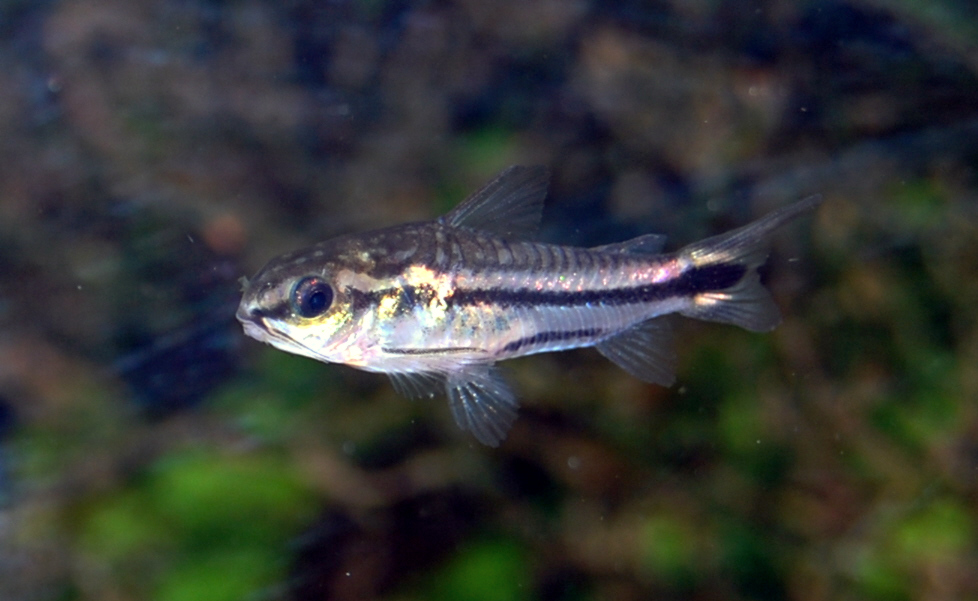 🇧🇷 Brazil and 2 morePygmy corydoras
A tiny armored catfish from South America kept in community aquariums.Catfish · Rivers and lakes · 1966
 🇵🇪 Peru and 1 morePanda corydoras
Small armoured catfish with distinctive black eye patchesCatfish · Rivers and lakes · 1971
 🇧🇷 Brazil and 3 moreBlue leopard corydoras
Small peaceful armoured catfish from South AmericaCatfish · Rivers and lakes