
Zebra pleco
Striped catfish from the Rio Xingu
The zebra pleco is a small, striped freshwater catfish native to a specific bend in Brazil's Rio Xingu. First described in 1991, it is critically endangered due to dam construction but remains popular in the global aquarium trade through captive breeding.
- Endemic to a small section of Rio Xingu
- Critically endangered due to Belo Monte Dam
- Exports from Brazil have been illegal since 2004
- Males guard eggs in rock caves
- Requires high protein diet and strong current
What it is
This small armoured catfish belongs to the suckermouth family. It grows to about 6.4 centimetres in standard length. Its body features distinct black and white stripes, which give the species its common name. Mature males develop wider heads and longer spines near the gills compared to females. The fish is nocturnal and moderately territorial, requiring plenty of hiding spots in its environment.
Where it lives
The species is endemic to a limited section of the Rio Xingu in Brazil. It lives specifically in the big bend area downstream from Altamira. This habitat consists of fast-moving water with high oxygen levels. The riverbed here contains smooth gravel, pebbles, and large rocks that form caves and crevices. Water temperatures in this range are typically warm.
How it lives
In the wild, this catfish acts as a predator. It feeds on small invertebrates such as insect larvae. In captivity, it thrives on a high-protein diet including bloodworms and brine shrimp. Vegetable matter like cucumber may be offered occasionally. The fish does not compete well for food and prefers tanks with small dither fish rather than typical community species. It requires strong water current and surface agitation to survive.
Breeding and life cycle
Spawning occurs in caves where the male traps the female. He may bite her to keep her in place during egg laying. After fertilisation, the female leaves while the male guards the clutch. The eggs hatch after a period, and the fry swim freely after seven days. They absorb their yolk sacs within two weeks. Ideal breeding conditions include a pH near neutral and temperatures around 27 degrees Celsius.
Fish and people
Exported for the aquarium trade since 1987, this fish is highly valued. Brazil banned its export in 2004 due to conservation concerns, yet smuggling persists. Because wild collection is restricted, commercial captive breeding supplies most of the market. Keeping them requires a tank of at least 30 gallons with clean, warm, and fast-moving water. They are considered expensive due to limited supply and breeding challenges.
Status and threats
Construction of the Belo Monte Dam has severely reduced water flow in its only known habitat. This threat has led to a classification of critically endangered. The species faces potential extinction in the wild. It is listed under Appendix II of CITES, which regulates international trade even for captive-bred specimens. Conservation efforts rely heavily on captive breeding programmes to maintain the population.

Questions people ask about Zebra pleco
Why is the zebra pleco so expensive?
The species is expensive because wild collection is banned in Brazil and captive breeding produces limited numbers. High demand in the aquarium trade combined with strict legal restrictions on international trade drives up the price.
Can I keep zebra plecos in a community tank?
No, they should not be kept in typical community aquariums or with discus. They thrive best with small dither fish that do not compete for food. They require specific water conditions and hiding places that general community setups often lack.
What do zebra plecos eat?
They are predators requiring a high-protein diet. In captivity, they eat fresh or frozen bloodworms, brine shrimp, and insect larvae. Algae wafers and occasional vegetables like lettuce or cucumber can supplement their diet, but meaty foods are essential.
Good reading and sources
The facts on this page come from the Wikipedia article "Zebra pleco", written by its contributors and used under the CC BY-SA 4.0 licence, and from its Wikidata record (CC0). EveryFish rewrote the text in its own words, with AI assistance, and compares every page with the article to make sure no passage is copied. It may be reused under the same CC BY-SA 4.0 licence with a link back.
It may contain mistakes, and figures change over time. Nothing here is investment or buying advice. If something is wrong, tell us. Last refreshed 2026-11-15.
Like Zebra pleco
All catfishes 🇹🇭 Thailand and 2 moreGiant pangasius
A large freshwater catfish from Southeast Asia, now critically endangered due to overfishing and habitat loss.Catfish · Rivers and lakes · 1931
 🇵🇪 Peru and 1 morePanda corydoras
Small armoured catfish with distinctive black eye patchesCatfish · Rivers and lakes · 1971
 🇹🇭 ThailandGlass catfish
A small, transparent freshwater catfish from Thailand.Catfish · Rivers and lakes · 2013
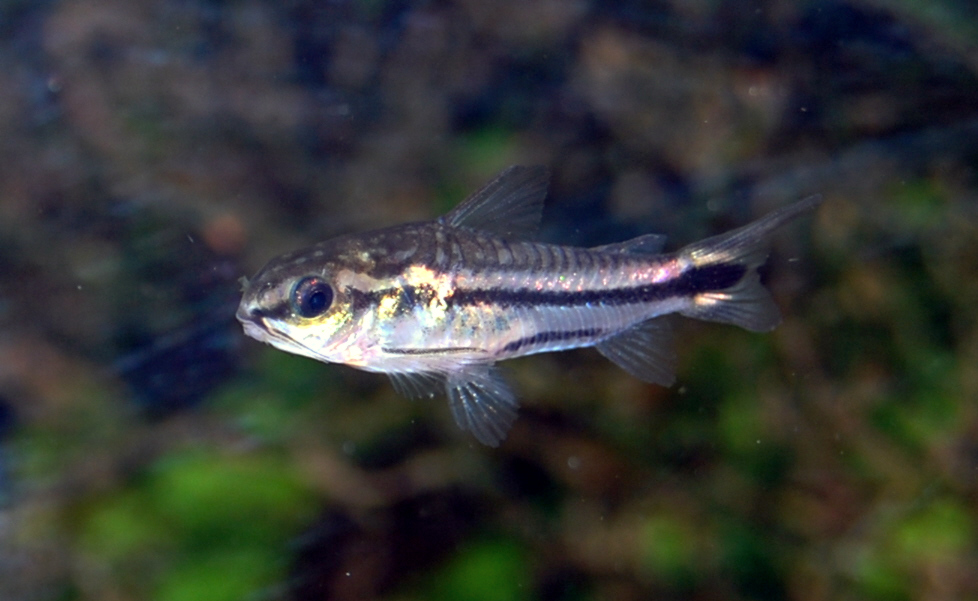 🇧🇷 Brazil and 2 morePygmy corydoras
A tiny armored catfish from South America kept in community aquariums.Catfish · Rivers and lakes · 1966
More from Loricariidae
All of them WorldHypostomus plecostomus
A tropical armored catfish from South America, kept in aquariums for algae control.Catfish · Rivers and lakes · 1758
 🇧🇷 Brazil and 4 moreAmazon sailfin catfish
A large freshwater armored catfish from South America, often kept in aquariums and known as an invasive pest elsewhere.Catfish · Rivers and lakes
 🇻🇪 Venezuela and 1 moreOtocinclus
Small South American armored catfishes known for algae eating and air breathing.Catfish · Rivers and lakes
 WorldWhiskered twig catfish
Slender South American armored catfish genusCatfish · Rivers and lakes