
Mudskipper
Amphibious gobies that walk on mudflats and breathe air.
Mudskippers are a group of twenty-five amphibious fish species belonging to the subfamily Oxudercinae. They inhabit intertidal zones across tropical and subtropical regions, using specialized fins to move on land and breathing through their skin and gill chambers when out of water.
- Mudskippers can grow up to 30 cm in length.
- They spend up to three quarters of their life on land.
- Males dig burrows to protect eggs from predators.
- Pectoral fins act like limbs for crawling and skipping.
- They breathe through skin and retained water in gills.
What it is
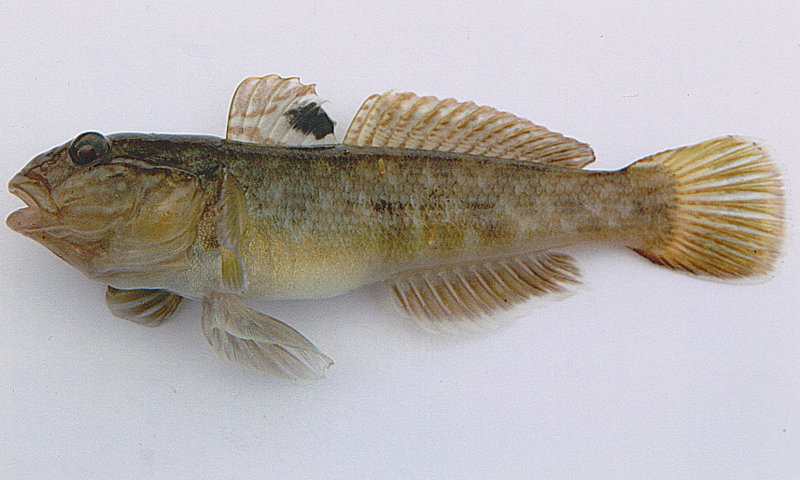
Mudskippers belong to the subfamily Oxudercinae within the family Oxudercidae, comprising twenty-five living species. These fish display distinct physical traits, including large eyes positioned on top of a flat head and elongated pectoral fins located near the front of their bodies. Their colouration typically ranges from dark to light brownish-green, with males developing bright red, green, or blue spots during mating seasons. Unlike most fish, they possess jointed pectoral fins that function like limbs, enabling them to crawl, skip across muddy surfaces, and even climb low vegetation.
Where it lives
These amphibious fish occupy intertidal habitats in tropical, subtropical, and temperate regions. Their distribution spans the Indo-Pacific area, extending from East Africa and Madagascar through Southeast Asia to Northern Australia and various Pacific islands. They also inhabit the Atlantic coast of Africa. Mudskippers are commonly found in mangrove ecosystems and mudflats, where they construct burrows in soft sediments to survive the changing tides.
How it lives
Mudskippers spend up to three-quarters of their lives on land, remaining active while out of water. They feed on detritus, small crabs, insects, snails, and occasionally other mudskippers. To breathe on land, they retain water in enlarged gill chambers and absorb oxygen through their moist skin, mouth lining, and throat. This requires humid environments to prevent desiccation. They exhibit complex social behaviours, including territorial defence and courtship displays involving body undulations and energetic movements.
Breeding and life cycle
Reproduction begins when males dig smooth, vaulted burrows in soft sediment. These structures provide protection for eggs and allow survival in low-oxygen conditions. Males perform courtship displays to attract females, who then enter the burrow to lay hundreds of eggs. After fertilization, the female departs, leaving the male to guard the egg-filled burrow against predators until the young develop.
Fish and people
Mudskippers are not primarily noted for commercial fishing or aquaculture in the provided sources. However, specific species like Periophthalmus argentilineatus are well-known due to their wide distribution. They hold interest in scientific research regarding terrestrial adaptation and evolution.
Status and threats
While they thrive in intertidal zones, their reliance on specific habitats like mangroves and mudflats makes them potentially vulnerable to environmental changes.


Questions people ask about Mudskipper
How do mudskippers breathe on land?
Mudskippers breathe using water trapped in their enlarged gill chambers and by absorbing oxygen directly through their moist skin, mouth lining, and throat. This process, known as cutaneous respiration, requires them to stay wet and limits them to humid environments.
What do mudskippers eat?
Their diet varies by species but includes detritus, small crabs, insects, snails, and sometimes other mudskippers. They are opportunistic feeders that hunt small prey on mudflats and in mangrove ecosystems.
Where do mudskippers live?
They inhabit intertidal zones in tropical, subtropical, and temperate regions. Their range includes the Indo-Pacific, East Africa, Madagascar, and the Atlantic coast of Africa, typically in mangroves and mudflats.
How do mudskippers move on land?
They use their jointed pectoral fins, which function like limbs, to crawl and skip across muddy surfaces. They can also leap distances of up to 61 centimetres by flexing their tails laterally.
What is unique about mudskipper eyes?
Their eyes protrude from the top of their flat head. They evolved the ability to blink independently by lowering their eyes under a dermal cup membrane, which keeps them wet and protected from debris on land.
Good reading and sources
The facts on this page come from the Wikipedia article "Mudskipper", written by its contributors and used under the CC BY-SA 4.0 licence, and from its Wikidata record (CC0). EveryFish rewrote the text in its own words, with AI assistance, and compares every page with the article to make sure no passage is copied. It may be reused under the same CC BY-SA 4.0 licence with a link back.
It may contain mistakes, and figures change over time. Nothing here is investment or buying advice. If something is wrong, tell us. Last refreshed 2026-11-15.
Like Mudskipper
All other fish WorldSeahorse
Small marine fish with horse-like heads and curled tails in the genus Hippocampus.Other · Coasts and shelves
 🇵🇭 Philippines and 4 moreMilkfish
The sole living species of the family Chanidae, found across the Indo-Pacific.Other · Coasts and shelves
 WorldRound goby
Small bottom-dwelling fish native to Eurasia and invasive in North AmericaOther · Rivers and lakes
 WorldThree-spined stickleback
Small northern fish known for rapid evolution and complex breeding.Other · Rivers and lakes
