
Six-line wrasse
Small violet reef fish with six orange stripes
The six-line wrasse is a small marine fish found across the Indo-Pacific coral reefs. It is known for its vibrant violet body, orange stripes, and unique habit of sleeping in mucus cocoons. This species is popular in home aquariums but has not been bred in captivity.
- Grows to a maximum length of 10 centimetres
- Sleeps in a protective mucus cocoon at night
- Found from the Red Sea to the Tuamotu islands
- Acts as a cleaner fish for other reef species
- Popular in aquariums but not bred in captivity
What it is
This small wrasse belongs to the family Labridae. It grows to a maximum length of ten centimetres. The body is violet with six distinct orange stripes running along the flanks. Red eyes are prominent. A blue stripe marks the base of the anal fin, and another blue streak appears on the pelvic fin. A small eyespot sits on the dorsal part of the tail base. These features help identify it among other reef dwellers.
Where it lives
Its distribution spans the Indo-Pacific region. It occurs from the Red Sea and South Africa along the eastern African coast. The range extends across the Indian Ocean into the Western Pacific. In the north, it reaches Japan, including the Izu Islands. Southern limits include northern Australia, while the eastern boundary reaches the Tuamotu islands. It inhabits seaward reefs, clear coastal waters, and dense coral growth areas.
How it lives
This shy fish lives in loose groups among coral branches for protection. It feeds primarily on small crustaceans. It also acts as a cleaner, removing parasites like copepods from other fish. During the day, it swims actively. At night, it retreats to cavities. There, it secretes a mucus cocoon to sleep. This covering likely masks its scent from nocturnal predators. The behaviour is diurnal, meaning it is active during daylight hours.
Breeding and life cycle
Spawning behaviour has been observed in the Izu Islands. Paired adults perform a rapid dash toward the water surface just before sunset. This speed helps reduce the risk of being eaten by other fish during the vulnerable moment. The quick release of eggs and sperm occurs at the peak of this upward movement. Specific details on egg development or larval stages are not provided in the available records.
Fish and people
Aquarium enthusiasts value this species for its colour and size. It is collected from the wild for the trade. However, it has not yet been successfully bred in captivity. In some parts of Thailand, Sea Gypsies collect it for food. Its role as a cleaner fish may also benefit other species in reef ecosystems, though this is more ecological than direct human use.


Questions people ask about Six-line wrasse
How big does the six-line wrasse get?
It is a very small species. The maximum total length recorded is ten centimetres. This compact size makes it suitable for smaller reef aquarium setups, provided the environment mimics its natural coral habitat.
Why does it make a mucus cocoon?
The fish creates this cocoon to sleep in at night. It hides in cavities and wraps itself in mucus. This likely masks its scent, protecting it from nocturnal predators that might otherwise detect it while it rests.
Can you breed six-line wrasses in captivity?
No, they have not been bred in captivity yet. All specimens in the aquarium trade are collected from the wild. This reliance on wild capture can impact local populations if not managed sustainably.
Good reading and sources
- Six-line wrasse on WikipediaEncyclopedia
- More photos on Wikimedia CommonsPhotos
- Wikidata recordOpen data
The facts on this page come from the Wikipedia article "Six-line wrasse", written by its contributors and used under the CC BY-SA 4.0 licence, and from its Wikidata record (CC0). EveryFish rewrote the text in its own words, with AI assistance, and compares every page with the article to make sure no passage is copied. It may be reused under the same CC BY-SA 4.0 licence with a link back.
It may contain mistakes, and figures change over time. Nothing here is investment or buying advice. If something is wrong, tell us. Last refreshed 2026-11-15.
Like Six-line wrasse
All reef fish WorldTriggerfish
Armoured reef fish with a locking dorsal spineReef fish · Coasts and shelves · 1810
 🇲🇾 Malaysia and 4 moreHumphead wrasse
The largest reef-dwelling wrasse, known for its forehead hump and endangered status.Reef fish · Coasts and shelves · 1801
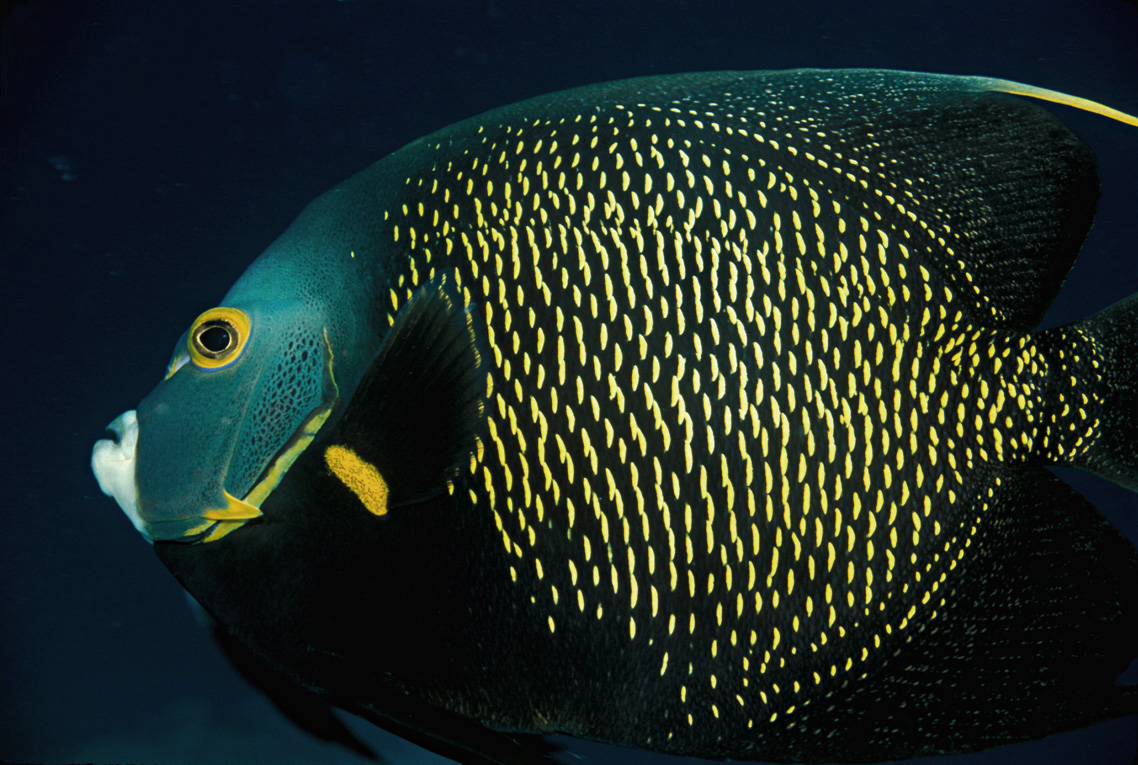 🇧🇷 Brazil and 1 moreFrench angelfish
A slow-growing Caribbean reef fish known for its sponge diet.Reef fish · Coasts and shelves · 1799
 WorldConvict tang
Striped marine surgeonfish found across the Indo-Pacific.Reef fish · Coasts and shelves · 1758
More from Labridae
All of them WorldBluehead wrasse
A small Atlantic reef fish known for changing sex and colour.Other · Coral reefs
 OceaniaBluestreak cleaner wrasse
A small reef fish that cleans parasites from larger marine animals.Reef fish · Coral reefs
 WorldBird wrasse
A long-snouted Indo-Pacific reef fish that changes sex.Reef fish · Coral reefs
 WorldGreen humphead parrotfish
The largest parrotfish species, known for its massive head and role in reef bioerosion.Reef fish · Coasts and shelves