
Northern red snapper
A large, red reef fish of the Gulf of Mexico and Atlantic.
The northern red snapper is a marine fish native to the western Atlantic and Gulf of Mexico. It lives near reefs and oil rigs, growing slowly over decades. This species supports major commercial and recreational fisheries, though stocks face pressure from harvesting and bycatch.
- Adults can live for more than 50 years.
- Often found living on offshore oil platforms.
- Frequently mislabeled as other species in markets.
- Reaches maturity between two and five years old.
- Supports a fishery worth over $100 million.
What it is
This marine ray-finned fish belongs to the snapper family. It has a laterally compressed body with a sloped profile and medium-to-large scales. The colour is light red, becoming more intense on the back. Adults possess short, sharp teeth but lack the prominent canines seen in related species like the mutton snapper. A dark spot on the side of juveniles fades as they age. They grow quite large, with a maximum recorded weight exceeding 22 kg.
Where it lives
Native to the western Atlantic Ocean, this species inhabits the Gulf of Mexico, the Caribbean Sea, and the southeastern coast of the United States. Rare sightings occur as far north as Massachusetts. They live at depths ranging from 9 to 90 metres, staying close to the bottom. Preferred structures include rocky ledges, natural reefs, shipwrecks, and offshore oil platforms. In Latin America, local names include huachinango and pargo.
How it lives
These fish are gregarious, forming schools of similar-sized individuals around structures. Habitat use shifts with age. Newly hatched fish spread across open benthic areas before moving to oyster beds. Older juveniles seek intermediate relief, while adults occupy high-relief reefs or deeper parts of oil rigs. Larger adults often exclude smaller fish from prime territory. They are opportunistic feeders, preferring small fish and crustaceans.
Breeding and life cycle
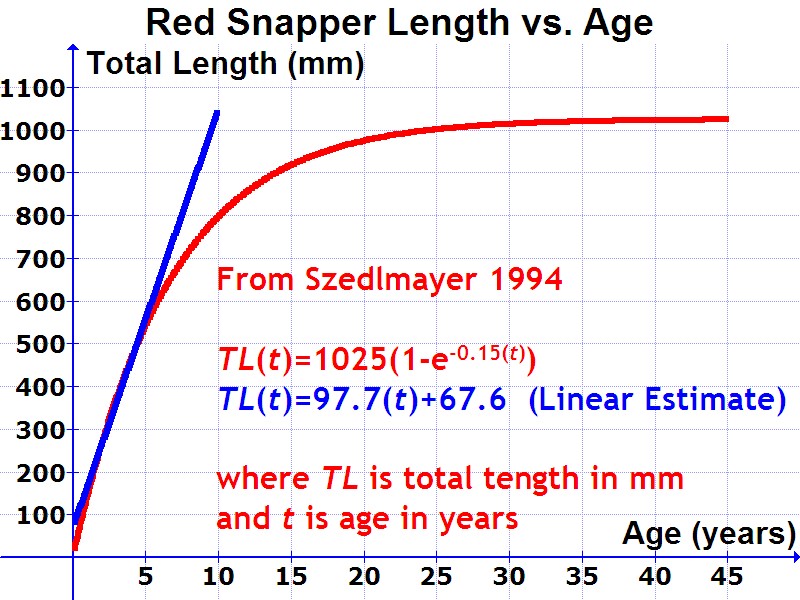
Sexual maturity arrives between two and five years of age. Growth is rapid during the first decade but slows significantly thereafter. The relationship between length and weight follows a standard cubic pattern for fish. Some populations, such as those off Texas, may mature faster and at smaller sizes than groups in Louisiana or Alabama. Adults can live for more than 50 years.
Fish and people
Valued as both food and game fish, it is the most caught snapper in the continental US. Anglers use bottom fishing techniques near reefs with heavy gear. Baits include squid, whole fish, or artificial jigs. Commercial harvests are regulated by quotas split between recreational and commercial sectors. Bycatch in shrimp trawls remains a concern. Mislabeling is common, with other species often sold as red snapper in restaurants.
Status and threats
Fishery management includes minimum size limits and catch quotas to ensure sustainable populations. Recreational interest has grown sharply, increasing pressure on stocks. Commercial availability has decreased due to permit restrictions and quota changes. Conservation efforts include stocking hatchery-reared juveniles on artificial reefs to supplement wild numbers.


Questions people ask about Northern red snapper
Where do northern red snapper live?
They inhabit the western Atlantic, Gulf of Mexico, and Caribbean Sea. They stay near the bottom on reefs, wrecks, and oil rigs at depths up to 90 metres.
Why is red snapper often mislabeled?
Genetic studies show many fish sold as red snapper are actually other species. Suppliers often substitute cheaper imports, especially in large chain restaurants.
How long do northern red snapper live?
They are long-lived fish. The oldest reported age is over 57 years, and adults commonly survive for more than 50 years in the wild.
What do northern red snapper eat?
They are opportunistic predators that eat almost anything. Their preferred diet consists of small fish and crustaceans found near their reef habitats.
Good reading and sources
- Northern red snapper on WikipediaEncyclopedia
- More photos on Wikimedia CommonsPhotos
- Wikidata recordOpen data
The facts on this page come from the Wikipedia article "Northern red snapper", written by its contributors and used under the CC BY-SA 4.0 licence, and from its Wikidata record (CC0). EveryFish rewrote the text in its own words, with AI assistance, and compares every page with the article to make sure no passage is copied. It may be reused under the same CC BY-SA 4.0 licence with a link back.
It may contain mistakes, and figures change over time. Nothing here is investment or buying advice. If something is wrong, tell us. Last refreshed 2026-11-15.
Like Northern red snapper
All perches, basses and snappers WorldBluefin trevally
Large tropical marine predator with electric blue finsPerch-like · Coasts and shelves · 1833
 🇺🇸 United States and 4 moreMutton snapper
A colourful Atlantic reef fish prized for its meat.Perch-like · Coasts and shelves · 1828
 🇦🇺 Australia and 4 moreLeopard coral grouper
A spotted reef predator prized for food across the Pacific.Perch-like · Coasts and shelves · 1802
 WorldGolden snapper
A large Indo-Pacific snapper with distinctive rusty scale spots.Perch-like · Coasts and shelves · 1792
More from Lutjanidae
All of them WorldEmperor red snapper
Large Indo-Pacific reef snapper with distinctive juvenile bands.Perch-like · Coasts and shelves · 1816
 WorldMalabar blood snapper
A red reef snapper from the Indo-Pacific.Perch-like · Coasts and shelves · 1801
 🇺🇸 United States and 4 moreYellowtail snapper
A swift, golden-tailed reef fish of the western Atlantic.Perch-like · Coasts and shelves · 1791
 WorldBluestripe snapper
Bright yellow reef fish with four blue stripesPerch-like · Coasts and shelves · 1775