
Wolf fish
A predatory freshwater ray-finned fish found across Central and South America.
Hoplias malabaricus is a large, toothy predator native to the rivers and lakes of the Americas. It belongs to the characiform family Erythrinidae and is known for its ambush hunting style and parental care.
- Max length is 65 cm and weight is 3.8 kg.
- Males guard nests and hatchlings in shallow pits.
- Found from Central America to Argentina.
- Prohibited as an aquarium pet in California.
- Extinct in Florida since January 1977 due to cold.
What it is
The wolf fish is a ray-finned species with a cylindrical body and a large mouth full of prominent, dog-like teeth. Its colour varies but typically shows grey-brown tones with dark vertical or horizontal stripes. Adults reach about sixty-five centimetres in length and nearly four kilograms in weight. This shape suits an ambush hunter that hides among vegetation.
Where it lives
This fish lives from southern Central America down to Argentina. It appears in most river systems across countries like Brazil, Argentina, Bolivia, Colombia, Peru, Ecuador, Guyana, Paraguay, Suriname, Uruguay, Venezuela, Costa Rica, French Guiana, and Trinidad and Tobago. It tolerates many water types, from fast upland streams to slow lowland waters, canals, ditches, and stagnant ponds.
How it lives
Adults rest in vegetation during daylight and hunt at night. They are ambush predators eating fish, shrimp, crayfish, and mussels. Juveniles eat smaller crustaceans and invertebrates. The fish adapts to clear or muddy water and even hypoxic conditions.
Breeding and life cycle
Spawning happens in pits dug in shallow water. After the eggs hatch, the male guards the nest and the young fry. This parental care continues until the juveniles are independent.
Fish and people
The species is kept in the aquarium trade but faces restrictions in places like California due to invasive risks. It was once established in Florida but disappeared after cold weather in January 1977.
Status and threats
The species is generally considered least concern globally. However, it poses an invasive threat outside its native range. In Florida, it was extirpated by cold temperatures. Conservation efforts focus on preventing releases into non-native waters where it could disrupt local ecosystems.


Questions people ask about Wolf fish
What does the wolf fish eat?
Adults prey on fish, crustaceans like shrimp and crayfish, and mussels. Juveniles feed on smaller crustaceans and other invertebrates. They hunt by hiding in vegetation and ambushing their prey at night.
Is the wolf fish dangerous to humans?
The sources do not describe attacks on humans. However, it has prominent dog-like teeth and is classified under 'dangerous' due to its predatory nature and potential as an invasive species in non-native environments.
Why is it banned in California?
It is prohibited because it is considered a potentially invasive species. If released into local waters, it could outcompete native wildlife. It was previously found in Florida but died out there due to cold weather.
How do they reproduce?
They spawn in pits located in shallow water. Unlike many fish, the male stays behind to guard the nest even after the eggs have hatched, protecting the young fry from predators.
Good reading and sources
- Hoplias malabaricus on WikipediaEncyclopedia
- More photos on Wikimedia CommonsPhotos
- Wikidata recordOpen data
The facts on this page come from the Wikipedia article "Hoplias malabaricus", written by its contributors and used under the CC BY-SA 4.0 licence, and from its Wikidata record (CC0). EveryFish rewrote the text in its own words, with AI assistance, and compares every page with the article to make sure no passage is copied. It may be reused under the same CC BY-SA 4.0 licence with a link back.
It may contain mistakes, and figures change over time. Nothing here is investment or buying advice. If something is wrong, tell us. Last refreshed 2026-11-15.
Like Wolf fish
All other fish WorldSnakehead
Elongated freshwater predators with air-breathing organs found in Asia and Africa.Other · Rivers and lakes
 🇧🇷 BrazilBanded leporinus
A striped freshwater fish from the Amazon kept in home tanks and occasionally caught by anglers.Other · Rivers and lakes
 🇺🇸 United States and 1 moreMexican tetra
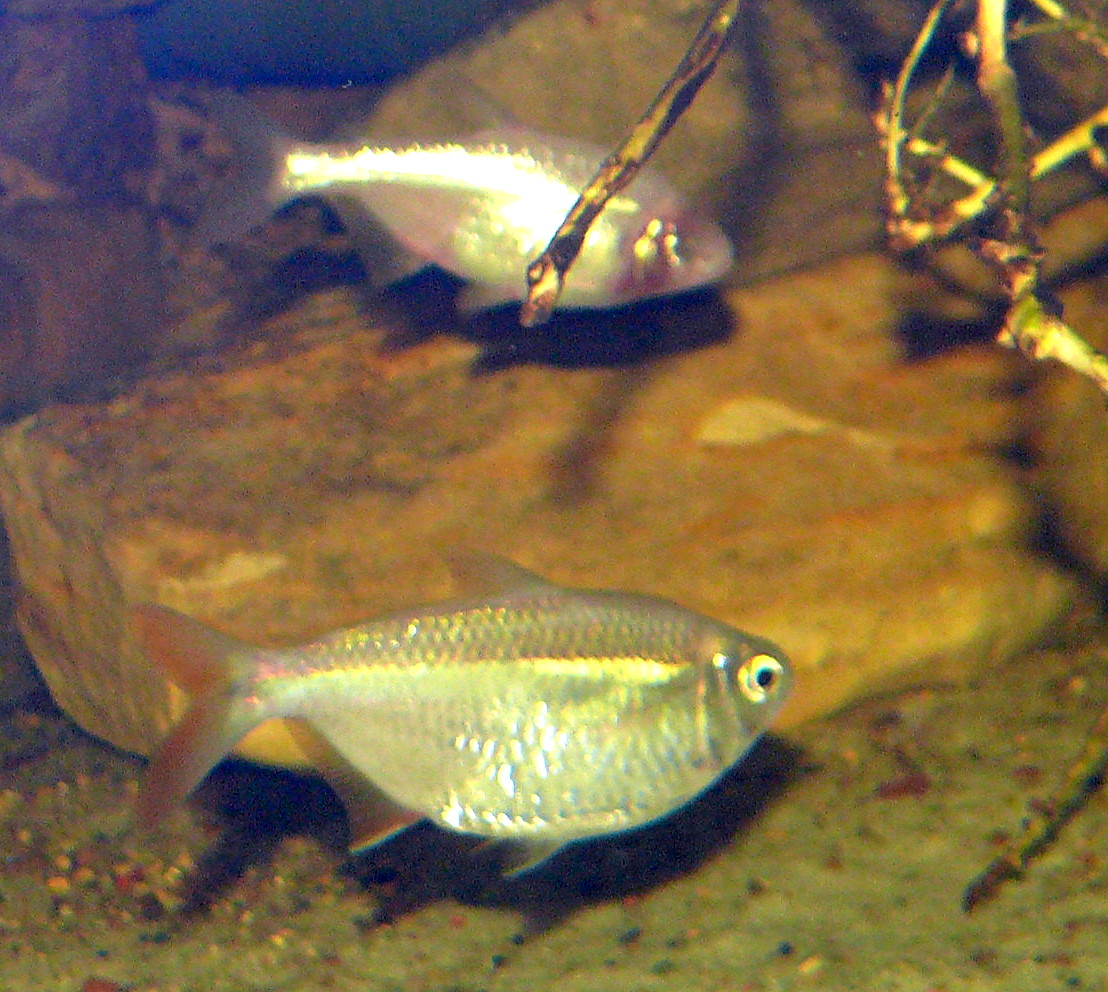
A freshwater characin with surface and blind cave forms, studied for evolutionary biology.Other · Rivers and lakes
 Southeast AsiaGiant snakehead
A large freshwater predator from Southeast Asia known for air breathing and invasive potential.Other · Rivers and lakes
