
Freshwater drum
A hardy North American freshwater fish known for its grunting sound.
The freshwater drum is a deep-bodied fish found across North and Central America. It is the only member of its family to live entirely in freshwater in this region. Males produce a grunting noise during spawning, and the species can live for over seventy years.
- Only North American sciaenid living entirely in freshwater.
- Males grunt by vibrating muscles against the swim bladder.
- Can live up to 72 years in northern lakes.
- Eats invasive zebra mussels once large enough.
- Commercial catch reaches 300,000 lb in the Mississippi River.
What it is
This fish has a deep body and a divided dorsal fin with ten spines and about thirty rays. Its colour ranges from silver and grey to bronze or brown. The lateral line extends into the tail fin, which may be rounded or pointed. Mature males possess special muscles that vibrate against the swim bladder to create a grunting sound. This trait gives the species its scientific name, which translates to single back and grunting.
Where it lives
The species inhabits freshwater systems from Hudson Bay in the north down to Guatemala. Its range stretches east to the Appalachian Mountains and west to states like Texas, Kansas, and Oklahoma. It prefers clear water but tolerates murky conditions. The ideal habitat features clean sand and gravel substrates on the bottom. It is one of the most widely distributed fish in North America.
How it lives
Diet changes with the seasons. In spring, it eats mainly aquatic insect larvae. By late summer and autumn, it consumes mostly small fish, such as young gizzard shad. It also eats molluscs and crayfish. Large individuals consume invasive zebra mussels, though this does not control the mussel population. Young drums serve as food for bass and walleye. Adults are primarily caught by humans. They are nocturnal feeders.
Breeding and life cycle
Spawning occurs in summer when water temperatures reach about 18 degrees Celsius. Fish move into shallow areas less than ten metres deep. Females release eggs into the open water column without providing care. Males fertilise them externally. Larvae hatch within two to four days. Females mature at five or six years, while males mature at four. Females grow faster and larger than males throughout their lives.
Fish and people
Anglers catch this fish for sport, often at night due to its nocturnal habits. It supports commercial fisheries, particularly on the Mississippi River, where hundreds of thousands of pounds are harvested annually. Market prices are low, so it is often taken as bycatch. Some regions allow bowfishing because populations are abundant. It holds cultural significance in some areas, where its otoliths are known as lucky stones.
Status and threats
The species is not listed as threatened by federal or state authorities. Daily bag limits are unlimited in many places because the population is stable. Commercial harvests do not pose a risk of overfishing. The fish is long-lived, with records exceeding seventy years in Minnesota. Its abundance allows for various harvesting methods without conservation concern.


Questions people ask about Freshwater drum
Why is it called a drum?
The name comes from the grunting noise mature males make. They produce this sound using special muscles that vibrate against their swim bladder, likely during the spawning season.
How big do freshwater drums get?
They typically weigh between 2 and 10 pounds. However, they can grow much larger, with a world record of over 54 pounds. Adults usually reach lengths of 12 to 30 inches.
Do they eat zebra mussels?
Yes, drums larger than 35 centimetres consume zebra mussels. While this causes high mortality for the mussels, the fish do not eat enough to control the invasive population spread.
How long do they live?
Freshwater drums are very long-lived. The average age is between 6 and 13 years, but individuals have been recorded living up to 72 years in Red Lakes, Minnesota.
Good reading and sources
- Freshwater drum on WikipediaEncyclopedia
- More photos on Wikimedia CommonsPhotos
- Wikidata recordOpen data
The facts on this page come from the Wikipedia article "Freshwater drum", written by its contributors and used under the CC BY-SA 4.0 licence, and from its Wikidata record (CC0). EveryFish rewrote the text in its own words, with AI assistance, and compares every page with the article to make sure no passage is copied. It may be reused under the same CC BY-SA 4.0 licence with a link back.
It may contain mistakes, and figures change over time. Nothing here is investment or buying advice. If something is wrong, tell us. Last refreshed 2026-11-15.
Like Freshwater drum
All other fish 🇧🇷 BrazilBanded leporinus
A striped freshwater fish from the Amazon kept in home tanks and occasionally caught by anglers.Other · Rivers and lakes
 WorldNile perch
Large freshwater predator native to Africa, now invasive in many lakes.Other · Rivers and lakes
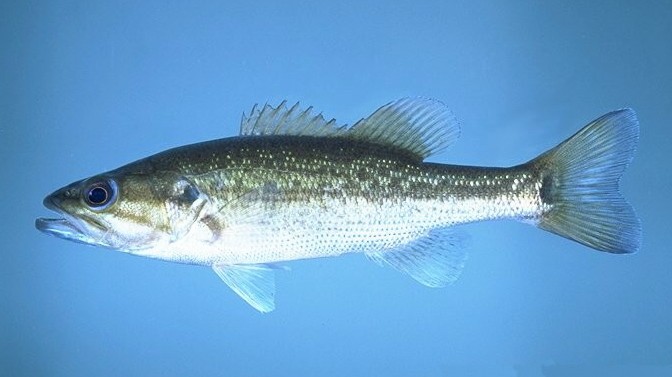 🇺🇸 United StatesSpotted bass
A North American freshwater fish known for dark spots below its lateral line.Other · Rivers and lakes
 🇺🇸 United StatesWhite bass
A silver-striped freshwater fish native to North American rivers and lakes.Other · Rivers and lakes