
Escolar
Deep-ocean fish with high oil content often mislabelled as tuna.
The escolar is a deep-sea fish found in tropical and temperate oceans worldwide. It grows large and contains indigestible wax esters that can cause digestive issues in humans. Often caught as bycatch, it is frequently mislabelled as white tuna in markets and restaurants.
- Grows up to 2 metres in length
- Body weight is approximately 20% oil
- Often mislabelled as white tuna in markets
- Banned for sale in Italy and Japan
- Found at depths of 200 to 1,100 metres
What it is
The escolar is a ray-finned fish belonging to the family Lepidocybiidae. It is the sole member of its genus. This fast-swimming species has a dark brown colour that turns black with age. Its body features a prominent lateral keel and several small finlets behind the dorsal and anal fins. Adults typically reach 1.5 metres in length, though they can grow beyond two metres. The fish is notable for its high oil content, which makes up about one fifth of its body weight.
Where it lives
This species has a cosmopolitan distribution, meaning it is found in tropical and temperate waters around the world. It inhabits the edges of continental slopes at depths between 200 and 1,100 metres. The escolar exhibits a benthopelagic lifestyle, floating in the water column just above the sea floor. It migrates vertically, moving upwards during the night to feed in shallower waters before returning to the depths.
How it lives
Escolar are active predators that hunt at night. Their diet consists mainly of squid, crustaceans and other fish. Like the related oilfish, the escolar cannot metabolize wax esters present in its prey. Instead of digesting these compounds, the fish stores the undigestible oil throughout its tissues. This biological trait results in the high lipid content that characterizes the species. They are fast swimmers adapted to life in the deep ocean environment.
Fish and people
Fisheries do not usually target escolar directly, but longline operators catch them as bycatch. The oily flesh can cause keriorrhea, a condition involving rapid loose bowel movements and stomach cramps. Symptoms appear within thirty minutes to thirty-six hours after eating. Due to these effects, Italy and Japan have banned its sale. Japan has considered it toxic since 1977. Other nations like Canada and the United States have issued warnings or recommendations against marketing it, citing consumer complaints about digestive distress.
Status and threats
Regulatory approaches vary globally. The United States Food and Drug Administration initially recommended against importing the fish but later withdrew the bulletin, stating it was nonlethal. However, the agency still advises against marketing it in interstate commerce. In Hawaii, a bill to ban the catch and sale of escolar was deferred in 2010. Hong Kong authorities have recommended clear labelling and advised consumers to be aware of potential health effects. Sweden and Denmark have also issued guidance on proper preparation to reduce risks.


Questions people ask about Escolar
Why is escolar sometimes banned or restricted?
The fish contains wax esters that humans cannot digest. Eating it can cause keriorrhea, leading to stomach cramps and loose bowel movements. Countries like Japan and Italy have banned its sale due to these toxic effects.
Is escolar the same as white tuna?
No, but it is often mislabelled as such. Studies have shown that a significant percentage of fish sold as white tuna in restaurants and markets is actually escolar. DNA testing confirms this frequent substitution in the seafood trade.
Where does the escolar live?
It lives in tropical and temperate oceans worldwide. The fish is found at depths between 200 and 1,100 metres, typically near the edges of continental slopes. It moves up in the water column at night to feed.
Good reading and sources
The facts on this page come from the Wikipedia article "Escolar", written by its contributors and used under the CC BY-SA 4.0 licence, and from its Wikidata record (CC0). EveryFish rewrote the text in its own words, with AI assistance, and compares every page with the article to make sure no passage is copied. It may be reused under the same CC BY-SA 4.0 licence with a link back.
It may contain mistakes, and figures change over time. Nothing here is investment or buying advice. If something is wrong, tell us. Last refreshed 2026-11-15.
Like Escolar
All other fish WorldBluefish
Aggressive marine pelagic fish found in temperate and subtropical waters worldwide.Other · Coasts and shelves
 WorldGreat barracuda
Large predatory fish found in warm oceans worldwide.Other · Coasts and shelves
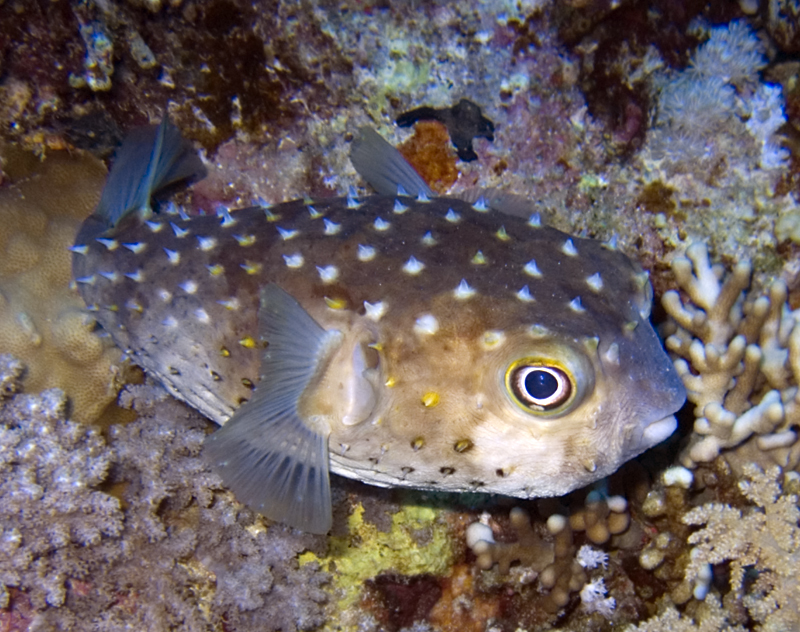 WorldPorcupinefish
Spiny marine fish that inflate into a defensive sphere to deter predators.Other · Coasts and shelves
 WorldOilfish
Deep-sea snake mackerel with oily, laxative flesh.Other · Open ocean