
Chlamydogobius
Hardy Australian gobies from inland springs and streams
Chlamydogobius is a genus of small fish native to Australia. Most species inhabit inland waters like springs and creeks, tolerating extreme heat and low oxygen. They survive harsh conditions by breathing air and changing colour. Human drilling threatens their aquifer habitats.
- Survives water temperatures from 3 to 43 °C
- Breathes air when oxygen levels are low
- Changes colour to blend with environment
- Threatened by aquifer drilling in Australia
- Tolerates salinity twice that of sea water
What it is
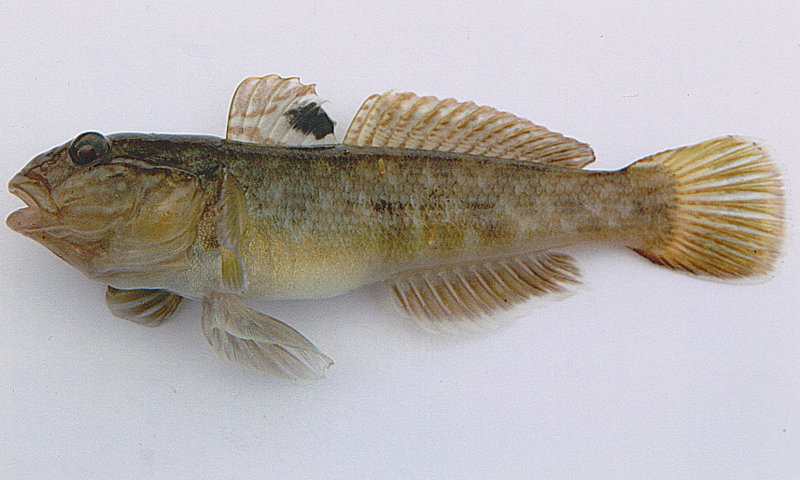
Chlamydogobius is a genus of gobies found in Australia. These small fish are adapted to life in inland waters such as springs, pools, creeks and streams. One species lives in coastal areas, but the rest prefer freshwater or brackish inland habitats. They are known for their ability to survive in extreme conditions, including high temperatures and low oxygen levels. Their bodies can change colour to match their surroundings, helping them hide from predators or blend into the mud and silt.
Where it lives
Most species in this genus are found in the inland waters of Australia. They inhabit diverse environments ranging from cool streams to hot geothermal springs. The Dalhousie goby, for instance, lives in the waters surrounding Dalhousie Springs. These fish tolerate a wide range of water chemistry, including pH levels between 6.8 and 9.0. They are also found in coastal areas, though this is less common than their inland distribution.
How it lives
These fish exhibit remarkable survival strategies. When oxygen levels drop below five milligrams per litre, they may emerge from the water to gulp air. This aerial respiration allows them to survive in hypoxic conditions. They also position themselves over algae beds to capture oxygen produced by photosynthesis. To avoid extreme temperatures, they hide in mud, silt, or under rocks. In floods, they use their pelvic fins to anchor themselves to rocks against strong currents.
Fish and people
Human activities pose a significant threat to these fish. Drilling for water in Australia has reduced the pressure in aquifers that feed the hot springs where many Chlamydogobius species live. This reduction in water flow endangers their populations. While not typically used for food or sport, their unique adaptations make them interesting subjects for scientific study regarding survival in extreme environments.
Status and threats
Several species within this genus are considered endangered. The primary threat is the reduction of aquifer pressure caused by human drilling activities. This impacts the flow of water in the springs and streams they depend on. Conservation efforts focus on managing water resources to maintain the habitats of these specialized fish. Their ability to tolerate high salinity and temperature does not protect them from habitat loss.
Questions people ask about Chlamydogobius
Where do Chlamydogobius fish live?
They are native to Australia. Most species live in inland waters like springs, creeks, and pools. One species is found in coastal areas. They often inhabit geothermal springs with extreme water conditions.
How do they survive low oxygen levels?
They use aerial respiration by emerging from the water to gulp air. They also position themselves over algae beds to capture oxygen produced by photosynthesis when dissolved oxygen is scarce.
Why are some species endangered?
Human drilling activities have reduced the pressure of aquifers that feed the hot springs these fish rely on. This loss of habitat and water flow threatens their survival in the wild.
Good reading and sources
- Chlamydogobius on WikipediaEncyclopedia
- More photos on Wikimedia CommonsPhotos
- Wikidata recordOpen data
The facts on this page come from the Wikipedia article "Chlamydogobius", written by its contributors and used under the CC BY-SA 4.0 licence, and from its Wikidata record (CC0). EveryFish rewrote the text in its own words, with AI assistance, and compares every page with the article to make sure no passage is copied. It may be reused under the same CC BY-SA 4.0 licence with a link back.
It may contain mistakes, and figures change over time. Nothing here is investment or buying advice. If something is wrong, tell us. Last refreshed 2026-11-15.
Like Chlamydogobius
All other fish 🇦🇷 Argentina and 4 moreArgentinian silverside
A large, adaptable silverside native to South America.Other · Rivers and lakes
 WorldThree-spined stickleback
Small northern fish known for rapid evolution and complex breeding.Other · Rivers and lakes
 WorldRound goby
Small bottom-dwelling fish native to Eurasia and invasive in North AmericaOther · Rivers and lakes
 South AsiaGreen spotted puffer
Small brackish water pufferfish with a tiny genomeOther · Rivers and lakes