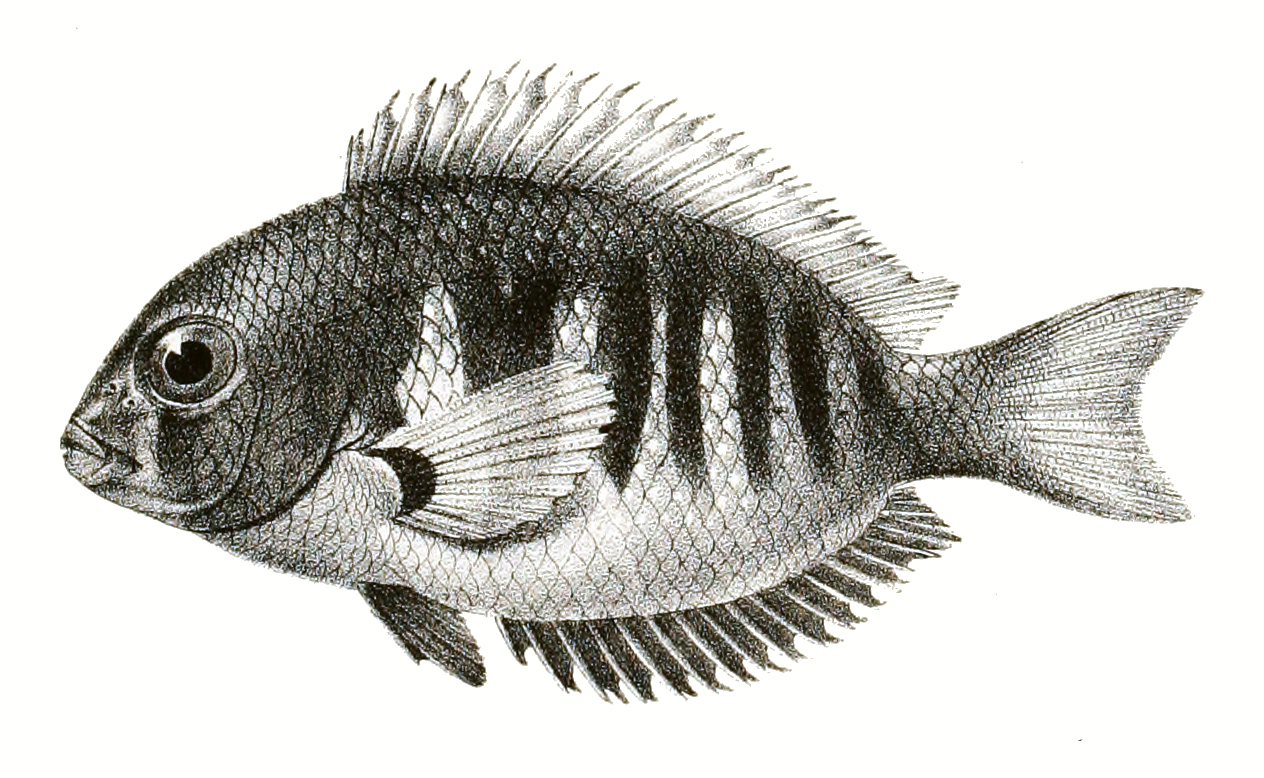
Canara pearlspot
Endangered freshwater cichlid from South Karnataka.
The Canara pearlspot is a small cichlid fish found only in the fresh waters of South Karnataka, India. It is listed as endangered due to its limited range and rarity in the wild, though it has gained attention in the aquarium hobby.
- Endemic to freshwater in South Karnataka
- Reaches 11.5 cm in total length
- Listed as an endangered species
- Rare but bred in captivity
- Only freshwater member of its genus
What it is
The Canara pearlspot is a small member of the cichlid family, distinct for its restriction to fresh water. Unlike its relatives in the genus Etroplus, which often tolerate brackish conditions, this species lives solely in rivers and streams. It grows to a maximum total length of 11.5 centimetres. Its body shape follows the typical compressed form of Asian cichlids, adapted for maneuvering in flowing water habitats within its narrow native range.
Where it lives
This fish is endemic to the state of Karnataka in southern India. Its distribution is confined to specific freshwater systems in the South Karnataka region. It does not venture into estuaries or coastal brackish zones, setting it apart from other members of its genus. The limited geographic spread contributes to its vulnerability, as the entire population relies on the health of these specific inland water bodies.
How it lives
Information regarding its natural diet, schooling behaviour, and predators is not detailed in the available records. As a cichlid, it likely exhibits territorial tendencies common to the group. Its exclusive presence in freshwater suggests adaptations to riverine environments rather than coastal lagoons. The species is somewhat rare in the wild, making direct observation of its daily activities difficult for researchers and hobbyists alike.
Breeding and life cycle
While details of wild spawning are not provided, there have been recent reports of successful breeding in captivity. This development is significant for the aquarium trade and conservation efforts. Captive propagation helps reduce pressure on wild populations by providing tank-raised specimens. The ability to breed them in controlled environments offers a potential safeguard against extinction, although wild reproductive cycles remain less documented.
Fish and people
The Canara pearlspot is highly sought after by aquarium enthusiasts, despite being relatively rare in the hobby. Its unique status as a freshwater Etroplus species adds to its appeal among cichlid keepers. The primary human interaction occurs through the ornamental fish trade, where demand drives interest in captive breeding programmes to sustain availability without depleting wild stocks.
Status and threats
The species is classified as endangered. Its restricted range in South Karnataka makes it susceptible to local environmental changes. Habitat degradation or pollution in these specific freshwater systems could have severe impacts on the entire population. Conservation attention is necessary to protect its native habitats. The recent success in captive breeding provides some hope, but wild populations remain at risk due to their limited distribution and endemic nature.
Questions people ask about Canara pearlspot
Where does the Canara pearlspot live?
It is found only in freshwater systems in South Karnataka, India. Unlike other members of its genus, it does not inhabit brackish or coastal waters.
How big does this fish get?
The Canara pearlspot reaches a maximum total length of 11.5 centimetres, which is approximately 4.5 inches. It is considered a small cichlid species.
Is it available for aquariums?
Yes, it is sought after by hobbyists but remains somewhat rare. Recent reports indicate that it has been successfully bred in captivity, helping supply the trade.
Good reading and sources
- Canara pearlspot on WikipediaEncyclopedia
- More photos on Wikimedia CommonsPhotos
- Wikidata recordOpen data
The facts on this page come from the Wikipedia article "Canara pearlspot", written by its contributors and used under the CC BY-SA 4.0 licence, and from its Wikidata record (CC0). EveryFish rewrote the text in its own words, with AI assistance, and compares every page with the article to make sure no passage is copied. It may be reused under the same CC BY-SA 4.0 licence with a link back.
It may contain mistakes, and figures change over time. Nothing here is investment or buying advice. If something is wrong, tell us. Last refreshed 2026-11-15.
Like Canara pearlspot
All cichlids 🇹🇿 Tanzania and 2 moreSingida tilapia
A cichlid fish native to the Lake Victoria basin in East Africa.Cichlid · Rivers and lakes
🇹🇿 TanzaniaDemasoni cichlid
Small striped cichlid from Lake MalawiCichlid · Rivers and lakes
 🇭🇳 Honduras and 3 moreJaguar cichlid
Large predatory cichlid from Central American lakesCichlid · Rivers and lakes
 WorldAuratus cichlid
Small, colourful cichlid from Lake MalawiCichlid · Rivers and lakes
More from Cichlidae
All of them 🇲🇼 Malawi and 2 moreMalawi eyebiter
Predatory cichlid from Lake Malawi known for its narrow body and unique feeding habits.Cichlid · Rivers and lakes
 Sub-Saharan AfricaPrincess cichlid
A cooperative schooling cichlid from Lake Tanganyika.Cichlid · Rivers and lakes
 🇧🇷 Brazil and 2 morePeacock bass
Large predatory cichlids from South American rivers known for sport fishing and invasive impact.Cichlid · Rivers and lakes
 🇵🇪 PeruAgassiz's dwarf cichlid
Small Amazonian cichlid with colourful males.Cichlid · Rivers and lakes