
Bronze featherback
A freshwater fish from South and Southeast Asia used for food.
The bronze featherback is a ray-finned fish native to fresh waters in South and Southeast Asia. It grows up to 60 cm and serves as an important food source in countries like Thailand and Myanmar, while also appearing in aquariums.
- Grows up to 60 cm in length
- Used in Burmese fish pickle ngachin
- Featured on a Laos postage stamp
- Changes colour from dark bronze to light
- Found in fresh and brackish water
What it is
This ray-finned fish belongs to the family Notopteridae. Young individuals display a dark bronze hue that fades as they mature. Adults can reach lengths of 60 cm. It is currently the sole member of its genus, though scientists suspect it represents a complex of several species. The body shape is distinct, allowing it to be kept easily in home aquariums.
Where it lives
The species inhabits fresh water across South and Southeast Asia. While it prefers rivers and lakes, it has been recorded entering brackish environments. Its distribution includes nations such as Indonesia, Laos, Myanmar, and Thailand. The fish adapts well to different water conditions within these tropical regions.
How it lives
Information regarding specific dietary habits, schooling behaviour, or natural predators is limited in available records. The fish is known to change colour from dark bronze in youth to a lighter shade in adulthood. It remains the only defined member of its genus, suggesting unique evolutionary traits within its group.
Breeding and life cycle
Details on spawning seasons, egg development, or juvenile growth rates are not provided in the current material. The life cycle specifics remain undocumented in this overview, focusing instead on its physical description and human uses.
Fish and people
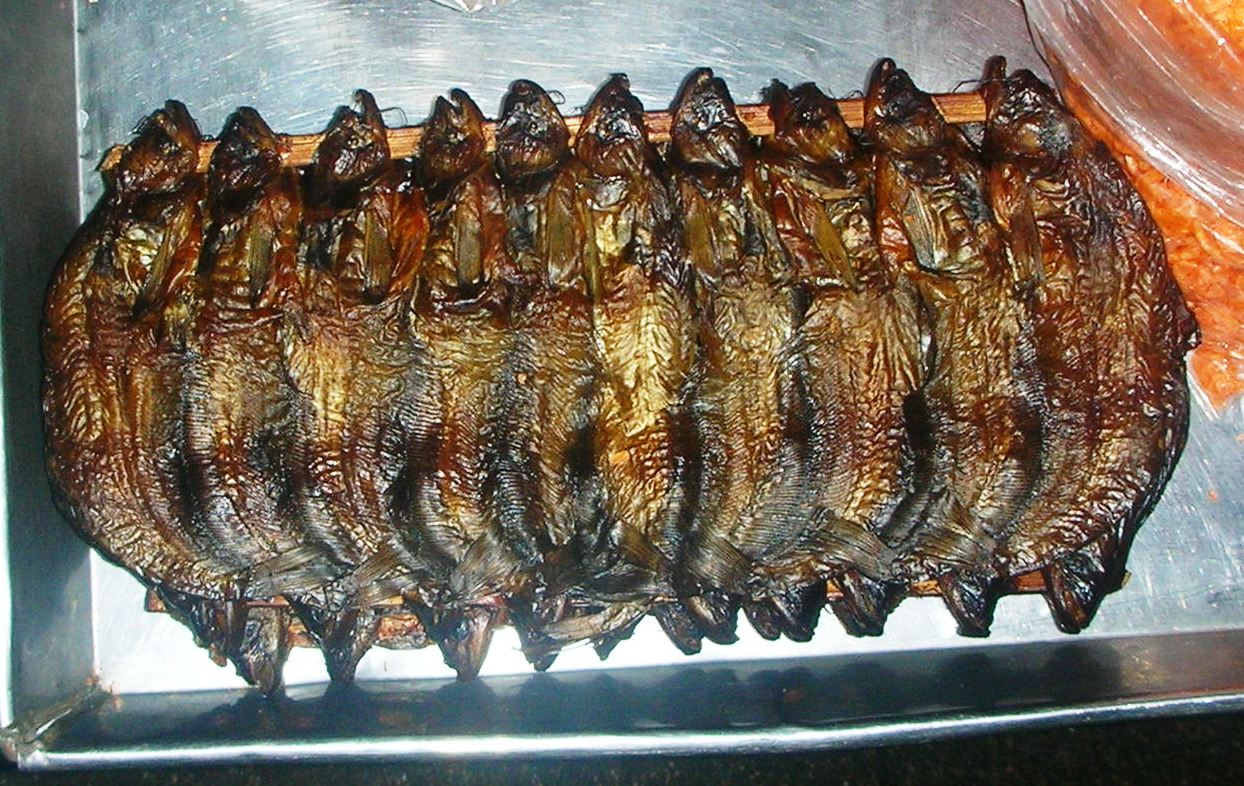
Local communities have consumed this fish since ancient times. In Myanmar, it is called ngaphe and used to make pressed fish pickle known as ngachin. Thai cuisine features it as pla salat, often minced and roasted for dips served with raw vegetables. It is also popular in Nakhon Ratchasima. The fish appears on a postage stamp from Laos and is valued in the aquarium trade.
Status and threats
Conservation status data is not included in the provided information. No specific threats such as overfishing or habitat loss are detailed here, nor are there mentions of protection programmes.



Questions people ask about Bronze featherback
Where does the bronze featherback live?
It is found in fresh waters across South and Southeast Asia, including Indonesia, Laos, Myanmar, and Thailand. It can also enter brackish water environments occasionally.
How is this fish used in cooking?
In Myanmar, it is made into pressed fish pickle. In Thailand, it is roasted and minced for dips. It has been a food source in the region since ancient times.
Can you keep this fish in an aquarium?
Yes, the bronze featherback is easy to keep in an aquarium. Its unique appearance and manageable size make it a popular choice for hobbyists.
Good reading and sources
- Bronze featherback on WikipediaEncyclopedia
- More photos on Wikimedia CommonsPhotos
- Wikidata recordOpen data
The facts on this page come from the Wikipedia article "Bronze featherback", written by its contributors and used under the CC BY-SA 4.0 licence, and from its Wikidata record (CC0). EveryFish rewrote the text in its own words, with AI assistance, and compares every page with the article to make sure no passage is copied. It may be reused under the same CC BY-SA 4.0 licence with a link back.
It may contain mistakes, and figures change over time. Nothing here is investment or buying advice. If something is wrong, tell us. Last refreshed 2026-11-15.
Like Bronze featherback
All other fish 🇮🇳 IndiaGangetic leaffish
A small Asian fish found in slow rivers and ponds across South Asia.Other · Rivers and lakes
 WorldGuntea loach
A small Asian loach that breathes through its gut to survive in poor water.Other · Rivers and lakes
 WorldFeatherbacks and knifefishes
Freshwater bony-tongued fishes with long anal finsOther · Rivers and lakes
 🇮🇳 India and 2 moreFreshwater garfish
A slender, toothed needlefish from Asian fresh waters.Other · Rivers and lakes

