
Atlantic Spanish mackerel
Migratory mackerel with yellow spots found in the Gulf and Atlantic.
This migratory fish moves between Florida, Mexico, and Massachusetts. It features a green back, silver sides, and distinct yellow spots. Anglers value it for sport, while markets sell its white flesh fresh or frozen.
- Distinctive rows of yellow spots on silver sides
- Migrates from Mexico to Massachusetts seasonally
- Popular sushi fish known as sawara
- Females live up to 11 years, males about 6
- Population recovering due to effective management
What it is
The Atlantic Spanish mackerel is a sleek, fast-swimming fish with a green back and silvery sides. Its most striking feature is the presence of three rows of round or elliptical yellow spots along its flanks. The lateral line curves gently from the gill cover toward the tail. The first dorsal fin displays a black patch at the front, while the rear membranes are white with black edges. Inside its jaws, the fish possesses a single row of large, flattened, cutting-edged teeth. These teeth are closely spaced and uniform, resembling those of the bluefish. Adults can rarely reach lengths of 37 inches and weights of 14 pounds.
Where it lives
This species inhabits shallow coastal waters, preferring sandy bottoms at depths between 10 and 40 feet. Occasionally, they venture as deep as 80 feet. Their range extends seasonally from the Yucatán Peninsula in Mexico northward to Cape Cod, Massachusetts. In the eastern Gulf of Mexico, populations move from southern Florida waters. In the western Gulf, they are found near Mexico. The fish follows warm water temperatures, migrating north in spring and returning south in autumn.
How it lives
Spanish mackerel are carnivorous predators that feed primarily on small fish. They also consume lesser amounts of shrimp and squid. Important prey items include striped anchovies, menhaden, alewives, and thread herring. Juveniles rely more heavily on anchovies than adults do. These fish travel in groups and migrate long distances. The Atlantic group moves up the east coast of the United States, while Gulf groups shift within the Gulf of Mexico. They are quick swimmers, requiring fast lure retrieves when targeted by anglers.
Breeding and life cycle
Spawning occurs in batches during warmer months. The Gulf group spawns from May to September, ranging from Texas to Florida shores, sometimes starting in April. The Atlantic group begins spawning in April off the Carolinas and continues until late September in northern areas. Fish mature quickly, reaching sexual maturity by one year of age at a fork length of 14 inches. Females grow larger and live longer than males, reaching up to 11 years old. Males typically live for about six years.
Fish and people
Anglers prize this fish for sport, catching it by trolling, drifting, or casting spoons and jigs from boats, piers, and beaches. Commercial fisheries use run-around gill nets to harvest them. The meat is white and marketed fresh or frozen as fillets, as the fish are often too small for steaks. People prepare it by broiling, frying, baking, or occasionally smoking. It is also popular in sushi restaurants, where it is frequently listed as sawara. Management measures include bag limits, size restrictions, and seasonal closures, which have helped the population recover from previous declines.
Status and threats
Management efforts involving catch limits and seasonal restrictions have been considered successful. The population was previously in decline but is now rising without signs of overfishing. Regulatory bodies enforce commercial trip limits and recreational bag limits to maintain sustainable numbers. These measures ensure the fishery remains viable for both commercial operators and sport anglers across its range.


Questions people ask about Atlantic Spanish mackerel
How can you tell a Spanish mackerel from a king mackerel?
Spanish mackerel have yellow spots on their sides at all sizes and a lateral line that slopes gradually. King mackerel lose their spots when large and have a lateral line that drops abruptly at midbody. The first dorsal fin of the Spanish mackerel also has a black patch.
What do Atlantic Spanish mackerel eat?
They are carnivores that mainly eat small fish like striped anchovies, menhaden, and thread herring. They also consume shrimp and squid. Juvenile fish tend to eat a higher percentage of anchovies compared to adult mackerel.
Is Atlantic Spanish mackerel good for eating?
Yes, it is highly valued for its white flesh. It is commonly sold fresh or frozen as fillets. People prepare it by broiling, frying, baking, or smoking. It is also a popular choice for sushi, often labeled as sawara on menus.
Good reading and sources
- Atlantic Spanish mackerel on WikipediaEncyclopedia
- More photos on Wikimedia CommonsPhotos
- Wikidata recordOpen data
The facts on this page come from the Wikipedia article "Atlantic Spanish mackerel", written by its contributors and used under the CC BY-SA 4.0 licence, and from its Wikidata record (CC0). EveryFish rewrote the text in its own words, with AI assistance, and compares every page with the article to make sure no passage is copied. It may be reused under the same CC BY-SA 4.0 licence with a link back.
It may contain mistakes, and figures change over time. Nothing here is investment or buying advice. If something is wrong, tell us. Last refreshed 2026-11-15.
Like Atlantic Spanish mackerel
All tunas and mackerels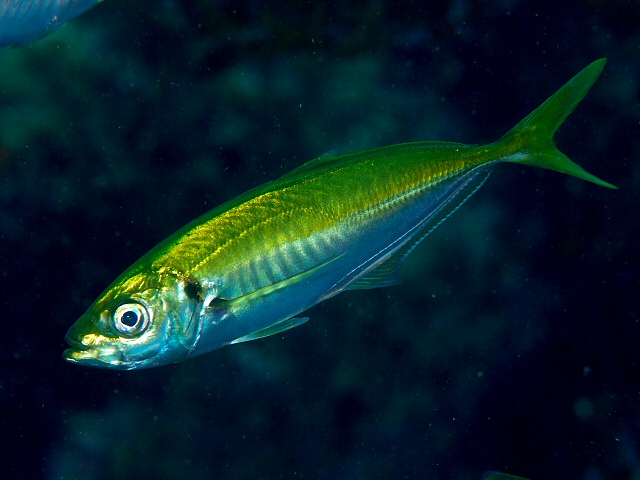 🇯🇵 Japan and 1 moreJapanese jack mackerel
A silver coastal fish prized in East Asian cuisine.Tuna · Coasts and shelves
 🇦🇺 Australia and 4 moreNarrow-barred Spanish mackerel
Large Indo-Pacific mackerel with narrow vertical barsTuna · Coasts and shelves
 🇺🇸 United States and 3 morePacific bonito
Striped marine fish of the Pacific coastTuna · Coasts and shelves
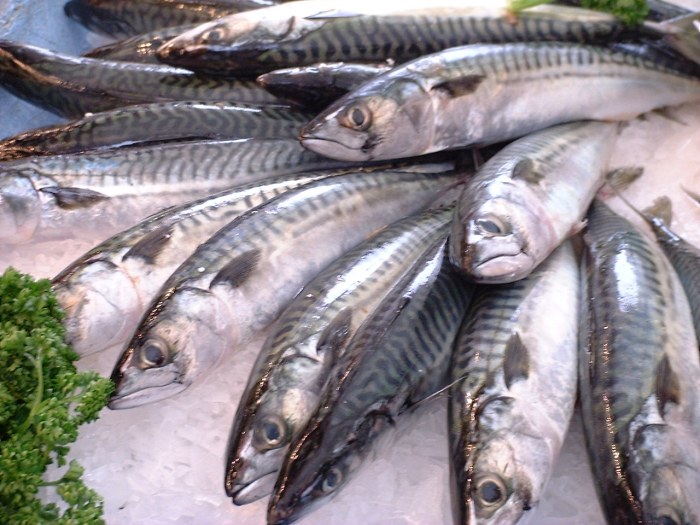 WorldMackerel
A group of pelagic fish known for their speed, stripes, and role in global fisheries.Tuna · Open ocean
More from Scombridae
All of them WorldDogtooth tuna
A large Indo-Pacific bonito prized by sport anglers.Tuna · Coasts and shelves
 WorldBlue mackerel
A small, fast pelagic fish found in tropical Indo-Pacific waters.Tuna · Coasts and shelves
 WorldBullet tuna
Small, slender tuna found in tropical oceans worldwide.Tuna · Open ocean
WorldSlender tuna
A southern ocean tuna with oily flesh and a slender build.Tuna · Open ocean