
Red drum
A reddish game fish with a tail spot found in US coastal waters.
The red drum is a saltwater game fish native to the Atlantic and Gulf coasts of North America. It features a distinctive black spot on its tail and can live for sixty years. Once heavily fished, strict regulations have helped rebuild its populations while maintaining its status as a prized catch.
- Has a distinctive black spot on the tail base
- Males make drumming sounds to attract mates
- Can live up to 60 years in the wild
- Official state saltwater fish of Texas and NC
- Commercial sale banned in US federal waters
What it is
This fish displays a dark red back that fades to a white belly. Its body is streamlined, and the most notable feature is a large black spot near the base of the tail. While some individuals have multiple spots, having none is rare. The spot may mislead predators into attacking the tail rather than the head. Adults typically weigh between six and eight pounds at three years of age. They use sight and touch to find food on the sea floor.
Where it lives
These fish inhabit the Atlantic Ocean from Massachusetts down to Florida. They are also common in the Gulf of Mexico, ranging from Florida to northern Mexico. Young fish prefer grassy marsh areas within bays and estuaries. Older juveniles and adults often gather around rocky structures, jetties, oil rigs, and bridge posts. Recent sightings in the Mediterranean likely involve escapees from farms.
How it lives
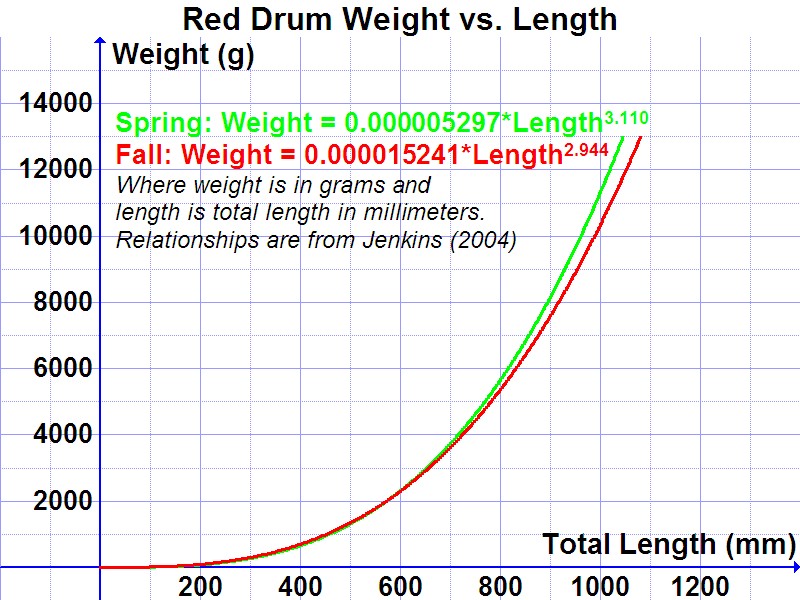
Diet changes with the seasons. In warmer months, they eat crabs, shrimp, and mullet. During spring and winter, they consume menhaden, pinfish, and other small species. They locate prey by vacuuming the bottom or biting. Males produce a knocking noise during mating season by vibrating their swim bladders. This sound helps attract females. They can live for six decades, growing exponentially in weight as they lengthen.
Breeding and life cycle
Spawning occurs near shorelines and estuary inlets from August to October. Eggs incubate for one day. A single female may release up to three million eggs per batch. Larvae hatch at roughly 1.8 millimetres long. They use tidal currents to reach shallow nursery habitats. Growth rates vary by location, with faster growth in southern estuaries. Half the population can reproduce by age four.
Fish and people
Anglers prize this species for sport. The meat has a moderate flavour and is not oily. Large specimens can be tough, resembling chicken in texture. Commercial sales are banned in federal US waters and many states to protect stocks. Farm-raised options remain available. North Carolina and Texas have designated it as their official state saltwater fish. Recreational limits have helped populations recover.
Status and threats
Overfishing reduced numbers in the 1980s. Catch limits and size restrictions were introduced to aid recovery. These measures have successfully increased average weights and population levels. Daily bag limits have risen in recent years due to effective management. The species is protected under a US executive order that prohibits commercial sale in federal waters.


Questions people ask about Red drum
Why is it called red drum?
The name comes from the knocking sound males make during spawning. They vibrate their swim bladders to create this drumming noise. The red colour refers to their dark red backs which fade to white bellies.
Is it safe to eat large red drum?
Yes, but the texture changes with size. Fish over fifteen pounds can become tough and chewy, similar to chicken. Smaller fish have a flaky texture and moderate flavour that is not oily.
Where do young red drum live?
Immature fish prefer grassy marsh areas in bays and estuaries. These shallow nursery habitats provide protection. As they grow, they move to rocky outcroppings and manmade structures like jetties.
Good reading and sources
The facts on this page come from the Wikipedia article "Red drum", written by its contributors and used under the CC BY-SA 4.0 licence, and from its Wikidata record (CC0). EveryFish rewrote the text in its own words, with AI assistance, and compares every page with the article to make sure no passage is copied. It may be reused under the same CC BY-SA 4.0 licence with a link back.
It may contain mistakes, and figures change over time. Nothing here is investment or buying advice. If something is wrong, tell us. Last refreshed 2026-11-15.
Like Red drum
All other fish 🇦🇷 Argentina and 4 moreArgentinian silverside
A large, adaptable silverside native to South America.Other · Rivers and lakes
 WorldNile perch
Large freshwater predator native to Africa, now invasive in many lakes.Other · Rivers and lakes
 🇵🇭 Philippines and 4 moreMilkfish
The sole living species of the family Chanidae, found across the Indo-Pacific.Other · Coasts and shelves
 WorldOrbicular batfish
A round, silvery marine fish native to the Indo-Pacific.Other · Coasts and shelves
More from Sciaenidae
All of them 🇲🇽 MexicoTotoaba
The largest drum fish, native to the Gulf of California and threatened by illegal trade.Other · Coasts and shelves
 🇺🇸 United StatesSpotted seatrout
Estuarine drum fish of the US southeast coastOther · Estuaries and mangroves
 North AmericaAtlantic croaker
Noisy marine fish of the western Atlantic coastOther · Coasts and shelves
 🇺🇸 United States and 2 moreFreshwater drum
A hardy North American freshwater fish known for its grunting sound.Other · Rivers and lakes