
Nangnang fish
A small freshwater fish from the Nile basin, prized as a fried snack in Uganda.
The nangnang fish is a small to medium-sized species found across East African rivers and lakes. It serves as an important food source and income generator for local communities in Uganda, particularly along the White Nile.
- Known as nangnang or ragogi in Uganda
- Belongs to the Alestidae family
- Found in the Nile Basin and Lake Albert
- Deep-fried as a popular crunchy snack
- Omnivorous diet includes zooplankton
What it is
This species is a small to medium freshwater fish with a greyish body that turns golden when cooked. It belongs to the Alestidae family and is known locally as nangnang or ragogi. The fish is often harvested in large numbers due to its schooling habits. It appears silver-grey in fresh condition but becomes crunchy and golden brown after frying. Local groups like the Alur people consume it regularly.
Where it lives
The fish lives in freshwater systems across East Africa. Its range includes the Nile Basin, Lake Albert, and neighboring river networks. In Uganda, it is widely distributed in the West Nile sub-region and Pakwach district. It thrives in less saline waters such as the White Nile and various fresh rivers throughout the region.
How it lives
Brycinus nurse is an omnivore that feeds on zooplankton, insects, and aquatic plants. This diet supports its success in diverse river and reservoir environments. The fish grows to moderate lengths typical of small pelagic species. It undergoes spawning during wet seasons, with reproductive cycles influenced by seasonal flooding and water level changes.
Breeding and life cycle
Spawning occurs during the wet season in many parts of its range. The timing is linked to flooding and seasonal water changes. These environmental cues trigger reproductive activity. Young fish develop in these nutrient-rich freshwater habitats before joining adult schools.
Fish and people
The fish provides significant income to vendors and families in Uganda. It is processed locally and consumed by travelers on the Kampala-Arua highway. Preparation involves washing, sorting by size, and deep-frying in hot oil. The resulting crunchy snack is popular among locals and visitors alike, supporting regional trade.
Status and threats
The species is abundant in suitable freshwater habitats. No specific conservation threats are mentioned in the available data.
Questions people ask about Nangnang fish
What does the nangnang fish look like?
It is a small to medium fish with a greyish body. When fresh, it appears silver-grey. After being washed, sorted, and deep-fried, it turns golden brown and has a crunchy texture.
Where can I find this fish?
It is distributed across East African freshwater systems. Key locations include the Nile Basin, Lake Albert, and specifically the West Nile sub-region and Pakwach district in Uganda.
How is it prepared for eating?
Locally, the fish is washed and sorted into different sizes. It is then deep-fried in hot oil until golden brown. This method creates a crunchy snack popular with locals and travelers.
What does the fish eat?
It is an omnivore that feeds on a variety of aquatic plants, zooplankton, insects, and small invertebrates. This flexible diet helps it thrive in diverse river environments.
Good reading and sources
The facts on this page come from the Wikipedia article "Nangnang fish", written by its contributors and used under the CC BY-SA 4.0 licence, and from its Wikidata record (CC0). EveryFish rewrote the text in its own words, with AI assistance, and compares every page with the article to make sure no passage is copied. It may be reused under the same CC BY-SA 4.0 licence with a link back.
It may contain mistakes, and figures change over time. Nothing here is investment or buying advice. If something is wrong, tell us. Last refreshed 2026-11-15.
Like Nangnang fish
All other fish 🇺🇬 Uganda and 2 moreSilver cyprinid
A small pelagic fish from Lake Victoria that supports regional food security.Other · Rivers and lakes
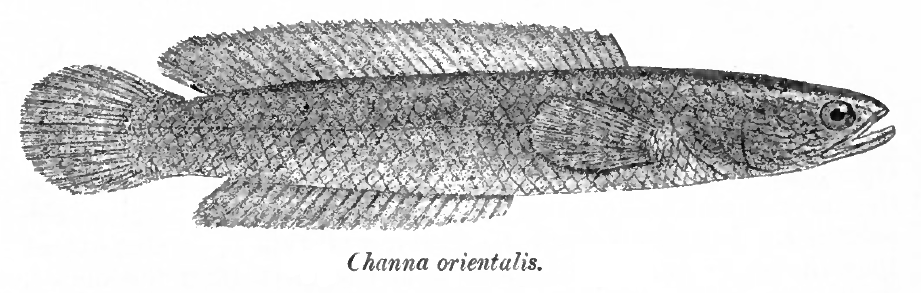 WorldSnakehead
Elongated freshwater predators with air-breathing organs found in Asia and Africa.Other · Rivers and lakes
 WorldNile perch
Large freshwater predator native to Africa, now invasive in many lakes.Other · Rivers and lakes
 Southeast AsiaGiant snakehead
A large freshwater predator from Southeast Asia known for air breathing and invasive potential.Other · Rivers and lakes
