
Bristlemouths
A family of abundant deep-sea fish with bioluminescent organs and bristle-like teeth.
Bristlemouths are small mesopelagic fish found in oceans worldwide. They are among the most numerous vertebrates on Earth, playing a key role in deep-sea ecosystems through vertical migration and bioluminescence.
- Bristlemouths number in the hundreds of trillions to quadrillions.
- They are protandrous hermaphrodites, starting life as males.
- Bioluminescence is used mainly for mating signals between individuals.
- Diet is 92-98% crustaceans, with occasional small fish consumption.
- Fossil record dates back to the Eocene epoch.
What it is
Bristlemouths, also called anglemouths, belong to the family Gonostomatidae. These small marine fish have elongated bodies measuring between two and thirty centimetres. Their skin is typically black or translucent, providing camouflage in dark waters. They possess large mouths with equally sized, bristle-like teeth. Green or red light-producing organs line their undersides. A pineal organ helps them track ambient light changes. This biological feature regulates their daily and seasonal rhythms. The genus Cyclothone contains fourteen species and is considered one of the most abundant vertebrate groups globally.
Where it lives
These fish inhabit the Atlantic, Indian, and Pacific Oceans. One species, Cyclothone microdon, extends into Arctic waters. They live in the mesopelagic zone, a layer of the ocean below the sunlit surface. Fossil evidence shows they existed during the Eocene epoch. Living specimens were first observed by William Beebe in the early nineteen thirties. L. S. Berg formally described them in nineteen fifty-eight. Their global distribution supports their status as a widespread deep-sea group.
How it lives
Bristlemouths feed primarily on zooplankton and small crustaceans. Their diet consists of ninety-two to ninety-eight percent crustaceans. Larger individuals may eat small fish. They do not show seasonal feeding trends. As diel vertical migrators, they move toward the surface at night to feed. Predators like dragonfish and fangtooths hunt them due to their small size. They use bioluminescence to locate prey and avoid predators. Their jaws cannot chew food, so they swallow prey tail-first. Some extinct species had lower jaws equal to seventy percent of their head length.
Breeding and life cycle
These fish are protandrous hermaphrodites. They begin life as males and some later change sex to become females. Males are generally smaller than females. Bioluminescence serves as a primary mating signal. Individuals use light patterns to attract partners, similar to visual displays in other contexts. The exact timing and mechanics of spawning remain less documented compared to their migration patterns.
Fish and people
There is no significant commercial fishing or aquarium trade for bristlemouths. Their small size and deep-water habitat limit human interaction. They play a crucial ecological role as prey for larger deep-sea predators. Their abundance makes them a vital link in the marine food web. No cultural or traditional uses are recorded for this family.
Status and threats
Conservation status data is not provided for the family as a whole. Their immense population numbers suggest resilience against overfishing. However, deep-sea ecosystems face threats from pollution and climate change. Specific threats to individual species are not detailed in the available sources. Monitoring their populations remains important for understanding ocean health.


Questions people ask about Bristlemouths
What does the name bristlemouth refer to?
The name comes from their odd, equally sized teeth that resemble bristles. These teeth help them capture prey in the dark depths of the ocean where visibility is low.
How many species of bristlemouths exist?
The family contains only eight known genera and thirty-two species. Despite low diversity, they are extremely abundant, making up a huge portion of deep-sea biomass.
Do bristlemouths swim near the surface?
Yes, they are diel vertical migrators. They move closer to surface waters at night to feed on zooplankton, returning to deeper waters during the day.
Why are they hard to see in the wild?
Their black coloration provides camouflage in dark waters. Additionally, their bioluminescent organs help them blend in with downwelling light or signal mates without being seen by predators.
Good reading and sources
- Gonostomatidae on WikipediaEncyclopedia
- More photos on Wikimedia CommonsPhotos
- Wikidata recordOpen data
The facts on this page come from the Wikipedia article "Gonostomatidae", written by its contributors and used under the CC BY-SA 4.0 licence, and from its Wikidata record (CC0). EveryFish rewrote the text in its own words, with AI assistance, and compares every page with the article to make sure no passage is copied. It may be reused under the same CC BY-SA 4.0 licence with a link back.
It may contain mistakes, and figures change over time. Nothing here is investment or buying advice. If something is wrong, tell us. Last refreshed 2026-11-15.
Like Bristlemouths
All other fish WorldGlasshead barreleye
Deep-sea fish with mirror-based eyesOther · Open ocean
 WorldRibbonfish
Deep-sea lampriforms with long, tape-like bodiesOther · Open ocean
 WorldMarine hatchetfish
Small deep-sea fish with a distinctive compressed body shape and bioluminescent camouflage.Other · Open ocean
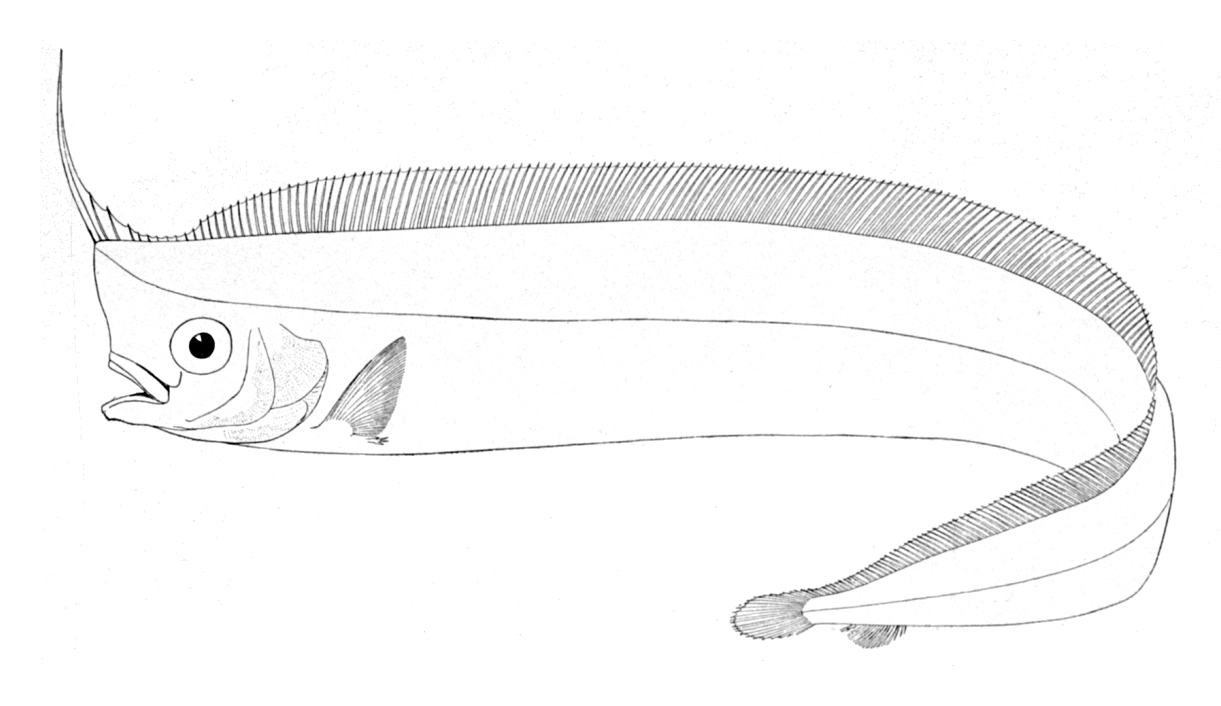 WorldCrestfish
Deep-sea ribbon fish with a head crest and ink sacsOther · Open ocean