
European eel
A catadromous fish with a mysterious ocean spawning cycle and critically endangered status.
The European eel is a long-lived fish that lives in rivers but returns to the Sargasso Sea to breed. Its complex life cycle was solved in the early twentieth century, yet it remains one of the most threatened species due to habitat loss and overharvesting.
- Lifespan can reach 155 years in captive conditions.
- Spawning grounds identified in the Sargasso Sea.
- Populations declined by up to 98% since the 1970s.
- Glass eels are trapped in estuaries for food and farming.
- Metamorphosis involves distinct stages from leptocephalus to silver eel.
What it is
The European eel is a slender, snake-like fish belonging to the family Anguillidae. Adults display a brownish-yellow hue on their sides and belly during their inland phase, turning silver with white bellies when ready to migrate. They possess between 110 and 120 vertebrae, allowing for flexible movement through mud and rocks. While typical individuals measure around half a metre, exceptional specimens can exceed one metre in length. Their transparent larval stage, known as glass eels, contrasts sharply with the dark pigmentation of mature adults.
Where it lives
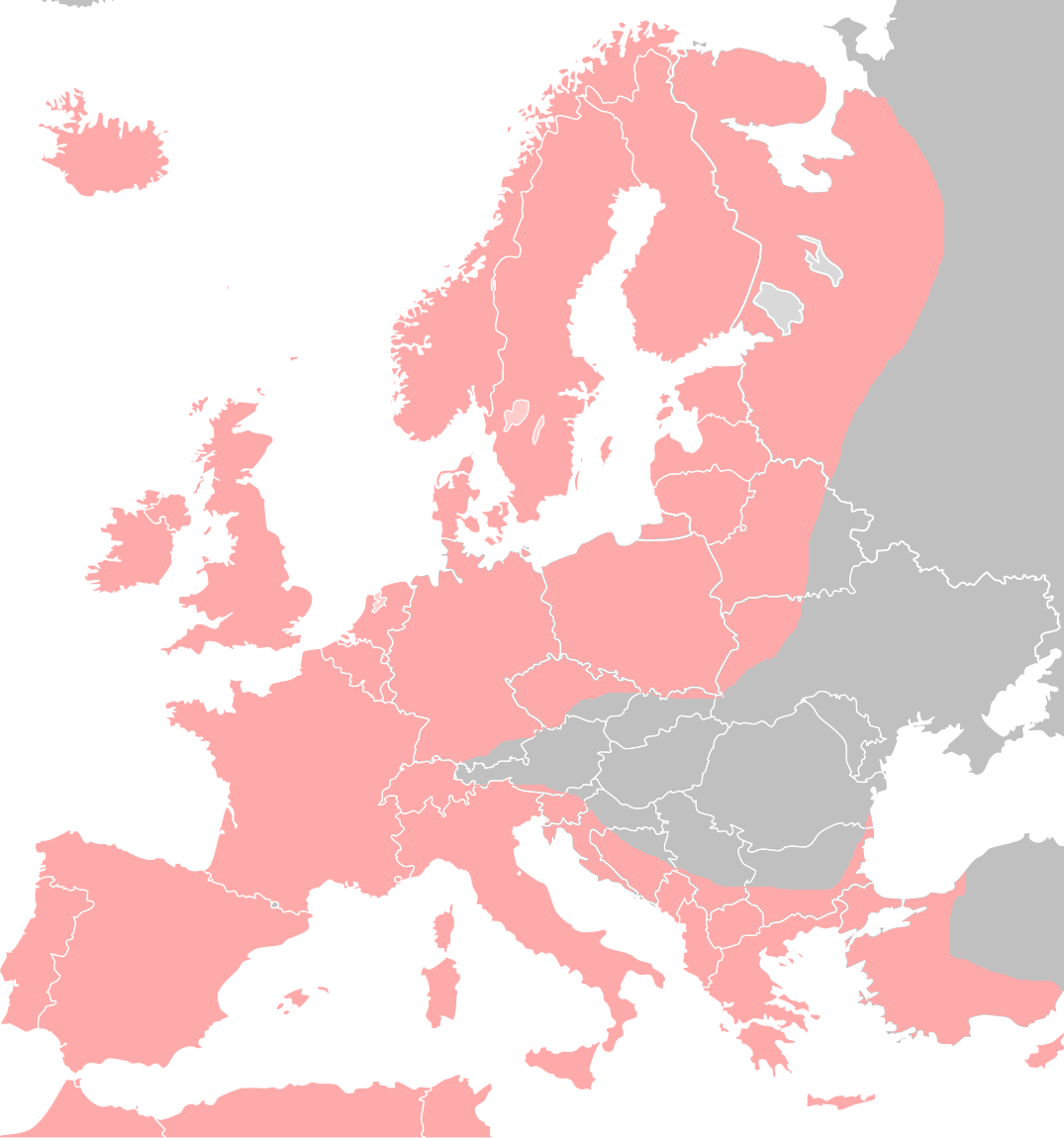
This species inhabits the Atlantic Ocean, its coastal shelves, and numerous river systems draining into it. Larvae hatch in the Sargasso Sea and drift northward on ocean currents for approximately three hundred days. Upon reaching European waters, they enter estuaries and move upstream into freshwater lakes and streams. Some populations remain in brackish coastal zones or the open sea throughout their entire lives without ever entering fresh water.
How it lives
European eels are nocturnal hunters that rely heavily on scent to locate prey. Their diet includes worms, small fish, slugs, crayfish, and occasional plankton. They seek shelter in plant roots, rock crevices, or muddy banks to avoid predators such as herons, cormorants, pike, and larger eels. Seagulls often hunt young glass eels near the coast. The fish use magnetoreception for navigation during their long migrations across vast distances.
Breeding and life cycle
Mating occurs exclusively in the Sargasso Sea, a fact confirmed by Danish researcher Johannes Schmidt in the early twentieth century. After spawning, adults die, while larvae drift toward Europe. In captivity, scientists have achieved limited success using hormones and specific diets to extend larval survival, but the full life cycle has never been completed artificially. Larvae initially feed on microscopic jellyfish before developing functional mouths and digestive tracts.
Fish and people
Humans have consumed eels since the Middle Pleistocene, with Neanderthal sites yielding evidence of their use. Glass eels are highly prized in European estuaries for basket trapping, while adult eels are farmed in recirculating pools or valliculture weirs. The United States imports significant quantities for sushi production. Conservation efforts include the Sustainable Eel Standard and CITES Appendix II listing, aiming to curb illegal trade and reduce fishing pressure on declining stocks.
Status and threats
The European eel is classified as Critically Endangered, with populations dropping by up to ninety-eight percent since the 1970s. Major threats include hydroelectric dams blocking migration routes, overfishing, parasites like Anguillicola crassus, and pollution from polychlorinated biphenyls. Natural climate oscillations also impact recruitment rates. Research projects aim to understand breeding requirements, but current aquaculture depends entirely on wild-caught juveniles, making the industry unsustainable without intervention.



Questions people ask about European eel
Where do European eels spawn?
They migrate back to the Sargasso Sea in the Atlantic Ocean to mate. This location was identified by researchers in the early twentieth century after centuries of uncertainty regarding their reproduction.
Why is the European eel critically endangered?
Their numbers have plummeted due to hydroelectric dams blocking migration, overfishing, parasites, and pollution. Climate changes affecting ocean currents also reduce the number of larvae reaching European coasts.
What are the different life stages of an eel?
The five stages are leptocephalus (larva), glass eel (transparent juvenile), elver (small pigmented eel), yellow eel (growing phase in fresh water), and silver eel (mature phase preparing for ocean migration).
How long can European eels live?
Wild eels typically live fifteen to twenty years. However, captive specimens have lived much longer, with one recorded individual surviving for 155 years in a well in Sweden.
Good reading and sources
The facts on this page come from the Wikipedia article "European eel", written by its contributors and used under the CC BY-SA 4.0 licence, and from its Wikidata record (CC0). EveryFish rewrote the text in its own words, with AI assistance, and compares every page with the article to make sure no passage is copied. It may be reused under the same CC BY-SA 4.0 licence with a link back.
It may contain mistakes, and figures change over time. Nothing here is investment or buying advice. If something is wrong, tell us. Last refreshed 2026-11-15.
Like European eel
All eels 🇺🇸 United States and 2 moreAmerican eel
A catadromous fish that migrates between North American rivers and the Sargasso Sea to spawn.Eel · Rivers and lakes
 🇨🇳 China and 3 moreAsian swamp eel
A freshwater, air-breathing fish native to Asia and introduced elsewhere.Eel · Rivers and lakes
 🇹🇭 Thailand and 3 morePeacock eel
A small freshwater spiny eel from Southeast Asia.Eel · Rivers and lakes
 🇮🇳 India and 4 moreZig-zag eel
A large freshwater spiny eel native to South and Southeast Asia, known for its zigzag pattern and predatory habits.Eel · Rivers and lakes · 1777