
Atlantic bluefin tuna
Large, warm-blooded tuna of the Atlantic and Mediterranean.
The Atlantic bluefin tuna is a massive, fast-swimming fish native to the Atlantic Ocean and Mediterranean Sea. First described in 1758, it is prized for sushi but faced severe overfishing. Conservation efforts have helped its status improve to Least Concern, though some stocks remain depleted.
- Can weigh up to 679 kg and reach 3.84 m in length
- One of the few warm-blooded fish, allowing cold water hunting
- Moved from Endangered to Least Concern on IUCN Red List in 2021
- Spawns in Mediterranean and Gulf of Mexico natal grounds
- Highly prized for sushi and sashimi in global markets
What it is
This robust fish has a rhomboidal shape with a conical head and large mouth. Its colour is dark blue above and grey below, featuring gold shimmering across the body and bright yellow finlets near the tail. It is distinguished by short pectoral fins and a liver covered in blood vessels. The species can grow very large, with adults averaging over two metres in length. It possesses powerful muscles and a lunate tail for efficient propulsion.
Where it lives
Native to the western and eastern Atlantic Ocean as well as the Mediterranean Sea, this species is now regionally extinct in the Black Sea. It inhabits open waters but dives to depths exceeding one thousand metres. The fish is highly migratory, travelling thousands of miles across the ocean. Distinct populations spawn in the Gulf of Mexico and the western Mediterranean, particularly near the Balearic Islands.
How it lives
As a warm-blooded predator, it maintains high muscle temperature to swim in cold northern waters. It hunts schools of small fish like herring and sardines, along with squid and crustaceans. White skeletal muscles enable rapid bursts to catch prey. Adults face few predators other than large sharks and whales, but larvae are eaten by plankton feeders and jellyfish. They may host parasites such as tapeworms without significant harm.
Breeding and life cycle
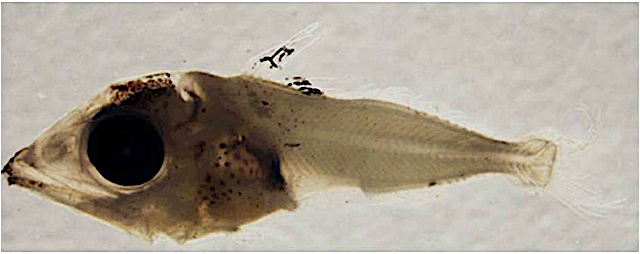
Females release millions of eggs into the water for external fertilisation. Spawning occurs in specific areas during the moon cycle to reduce predation on offspring. Eastern stocks breed in the Mediterranean between June and August, while western stocks spawn in the Gulf of Mexico from April to June. Larvae hatch within two days and become cannibalistic quickly. Most do not survive their first year.
Fish and people
Historically prized for food, remains date back to the Middle Paleolithic era. Traditional trap fisheries used elaborate net mazes in the Mediterranean. Modern commercial demand surged due to the Japanese sushi market, leading to industrial long-line fishing. It is also a major sport fish, attracting anglers since the 1930s. The fatty belly meat became highly valued after changes in dietary habits post-World War II.
Status and threats
Stocks declined dramatically by over seventy percent in recent decades due to overfishing. International bodies attempted trade bans, but proposals were voted down. Regional quota enforcement has since helped populations recover. In 2021, the IUCN moved the species from Endangered to Least Concern. However, many regional groups, especially western stocks, remain severely depleted despite overall improvement.


Questions people ask about Atlantic bluefin tuna
How big do Atlantic bluefin tuna get?
Adults typically average two to two and a half metres long and weigh around 225 to 250 kg. The largest recorded specimen weighed 679 kg and measured 3.84 metres. Some authorities accept weights up to 910 kg, though details are scarce.
Why are they called warm-blooded fish?
They use countercurrent exchange to keep core muscles warm, transferring heat from venous blood to arterial blood. This adaptation allows them to hunt in chilly North Atlantic waters and maintain high swimming speeds and power compared to other fish.
Where do Atlantic bluefin tuna spawn?
They primarily spawn in two areas: the western Mediterranean for eastern stocks and the Gulf of Mexico for western stocks. Research suggests a third area may exist in the Slope Sea. They return to their natal areas to reproduce.
Are Atlantic bluefin tuna endangered?
The species was listed as Endangered but moved to Least Concern in 2021 after population increases due to fishing quotas. Despite this, many regional populations, particularly in the western Atlantic, remain severely depleted and require continued protection.
Good reading and sources
- BBC News - Bluefin tuna ban proposal meets rejectionBBC, Article
- Reviewing Sushi YasudaThe New York Times, Article
- Atlantic bluefin tuna on WikipediaEncyclopedia
- More photos on Wikimedia CommonsPhotos
- Wikidata recordOpen data
The facts on this page come from the Wikipedia article "Atlantic bluefin tuna", written by its contributors and used under the CC BY-SA 4.0 licence, and from its Wikidata record (CC0). EveryFish rewrote the text in its own words, with AI assistance, and compares every page with the article to make sure no passage is copied. It may be reused under the same CC BY-SA 4.0 licence with a link back.
It may contain mistakes, and figures change over time. Nothing here is investment or buying advice. If something is wrong, tell us. Last refreshed 2026-11-15.
Like Atlantic bluefin tuna
All tunas and mackerels 🇳🇴 Norway and 2 moreAtlantic mackerel
Fast-swimming, oily fish of the North AtlanticTuna · Coasts and shelves · 1758
 WorldMackerel
A group of pelagic fish known for their speed, stripes, and role in global fisheries.Tuna · Open ocean
 WorldAlbacore
A large, long-finned tuna species known for its white meat and global distribution.Tuna · Coasts and shelves · 1788
 🇿🇦 South Africa and 4 moreSnoek
A long, thin snake mackerel found in the Southern Hemisphere seas.Tuna · Coasts and shelves · 1791
More from Scombridae
All of them WorldLittle tunny
A fast, coastal tuna of the Atlantic and Mediterranean.Tuna · Coasts and shelves · 1810
 South AsiaStreaked Spanish mackerel
A striped mackerel of the Indian Ocean coastsTuna · Coasts and shelves · 1829
 Latin America and the CaribbeanSerra Spanish mackerel
A western Atlantic mackerel species often confused with its northern cousin.Tuna · Coasts and shelves · 1978
🇦🇺 Australia and 1 moreAustralian spotted mackerel
A large coastal mackerel from northern Australia and Papua New Guinea.Tuna · Coasts and shelves · 1980