
Mooneye
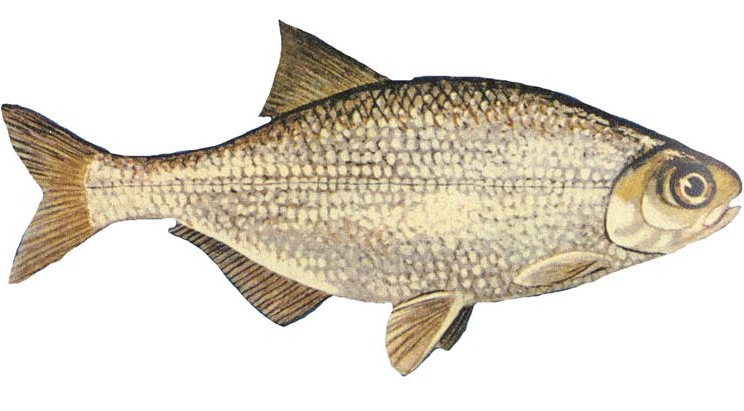
A family of large-eyed North American fish known for their metallic eye shine.
Mooneyes are ray-finned fish in the family Hiodontidae, containing the genus Hiodon. Two living species inhabit eastern North America, while several extinct forms are known from fossils dating back to the Paleocene and Eocene epochs.
- Family Hiodontidae contains the single genus Hiodon.
- Two living species exist alongside several extinct fossil species.
- Eyes have a metallic shine giving the fish their common name.
- Goldeye reaches up to 52 cm in length.
- Fossils found in Washington, British Columbia, and Montana.
What it is
The mooneye belongs to the family Hiodontidae, a group of ray-finned fish defined by the genus Hiodon. These creatures are characterised by oversized eyes that reflect a metallic sheen, which gives the group its common name. They possess forked tails and bear a general resemblance to shads. While two species survive today, the lineage also includes three to five extinct varieties preserved in rocks from the Paleocene through Eocene periods.
Where it lives
Living members of this family are found across eastern North America. The goldeye thrives in slower-moving, turbid sections of lakes and rivers. The mooneye prefers clearer environments within similar freshwater bodies such as ponds and streams. Fossil evidence extends their ancient range further west, with remains discovered in Washington state, British Columbia, and northwestern Montana.
How it lives
These fish feed on a broad spectrum of available prey. The goldeye consumes insects, crustaceans, mollusks, and small fish. The mooneye diet consists of aquatic invertebrates, insects, and fish. Both species inhabit freshwater systems where they navigate varying water clarity levels. Their ecological role involves preying on smaller organisms within these riverine and lacustrine habitats.

Questions people ask about Mooneye
What does the name mooneye refer to?
The name comes from the metallic shine visible on the eyes of these fish. This distinctive feature is prominent enough to define the common name for the entire family Hiodontidae.
How many species of mooneye exist today?
There are two extant species: the goldeye and the mooneye. Both are native to eastern North America. Several additional species are known only from fossil records spanning the Paleocene to Eocene epochs.
Where do mooneyes live?
Living species inhabit eastern North America. The goldeye prefers turbid, slower-moving waters in lakes and rivers. The mooneye lives in clearer waters of lakes, ponds, and rivers within the same region.
What do mooneyes eat?
They consume a variety of organisms including insects, crustaceans, mollusks, and small fish. The mooneye specifically feeds on aquatic invertebrates, insects, and fish found in their freshwater habitats.
Good reading and sources
The facts on this page come from the Wikipedia article "Mooneye", written by its contributors and used under the CC BY-SA 4.0 licence, and from its Wikidata record (CC0). EveryFish rewrote the text in its own words, with AI assistance, and compares every page with the article to make sure no passage is copied. It may be reused under the same CC BY-SA 4.0 licence with a link back.
It may contain mistakes, and figures change over time. Nothing here is investment or buying advice. If something is wrong, tell us. Last refreshed 2026-11-15.
Like Mooneye
All other fish WorldDanio
A genus of small striped freshwater fish from Asia kept in aquaria.Other · Rivers and lakes · 1822
 🇧🇷 Brazil and 4 moreArapaima
Giant air-breathing freshwater fish of the AmazonOther · Rivers and lakes · 1822
 🇺🇸 United StatesWhite sucker
A common North American freshwater cypriniform fish with fleshy lips used for bottom feeding.Other · Rivers and lakes · 1803
 🇺🇸 United States and 4 moreLargemouth bass
A large freshwater predator native to North America, prized by anglers and invasive in many regions.Other · Rivers and lakes · 1802
